Dental Anxiety vs. Dental Phobia: How Sedation Can Support Both
Dental care can stir up unease for many people. For some, it’s a flutter of nerves before an appointment. For others, it’s a deep fear that keeps them out of the chair entirely. Whether it’s anxiety or phobia, these reactions are valid and deserve support. If you find it hard to schedule care or feel overwhelmed at the thought of treatment, you may benefit from sedation dentistry in 33304. Understanding how it supports different emotional needs can make a real difference.
Understanding Dental Anxiety and Dental Phobia
What Is Dental Anxiety?
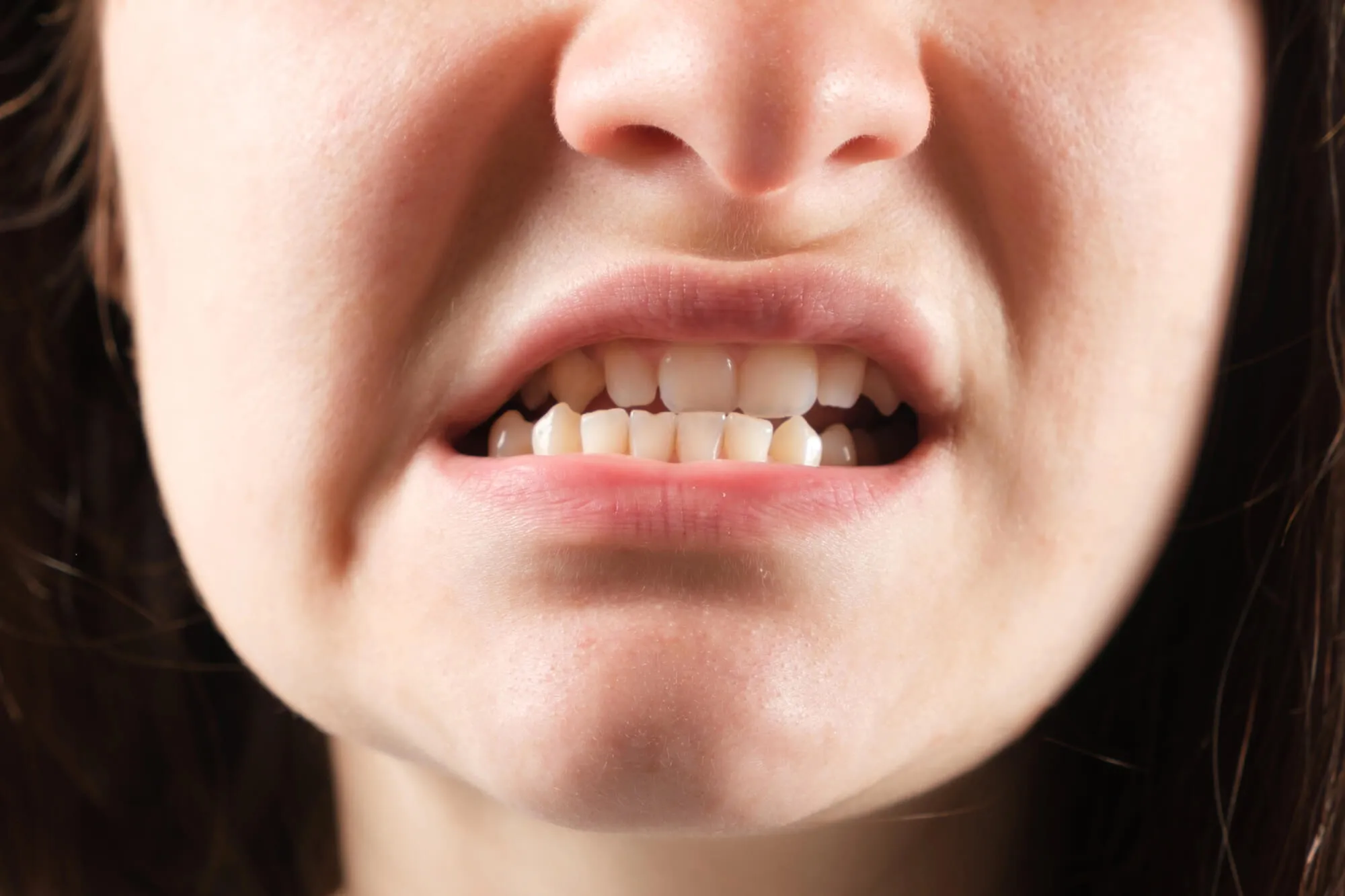
Dental anxiety is common. Many people feel uneasy about dental work. This may show up as:
- Butterflies in the stomach before an appointment
- Mild worry about discomfort
- Checking the clock in the waiting room
- Feeling tense during treatment
Anxiety doesn’t usually stop someone from seeing a dentist, but it can make the experience uncomfortable. Stress about sounds, sensations, or even the smell of the dental office can trigger nervousness. People with dental anxiety may cancel appointments more often than they’d like.
What Is Dental Phobia?
Dental phobia is stronger. It goes beyond nerves and moves into deep fear. A person with dental phobia may:
- Have panic attacks at the thought of treatment
- Avoid dental care entirely
- Experience sweating, shaking, or racing heart when thinking about the dentist
- Feel helpless or overwhelmed by dental settings
This fear can affect oral health. Skipping dental visits increases the risk of cavities, gum issues, infection, and pain. Phobia can make routine care feel impossible. This is where tailored support can make a difference.
How Sedation Dentistry Helps
Easing Anxiety and Fear
Sedation dentistry provides a calm and controlled experience for patients who fear or dread dental visits. It’s not just for pain control. Sedation reduces awareness and nervous reactions, allowing you to remain comfortable and relaxed. For many, it changes dental care from stressful to manageable.
Sedation can help patients:
- Stay calm during treatment
- Feel less overwhelmed by sounds or sensations
- Sit through longer procedures
- Avoid the physical reactions that come with fear
In essence, sedation permits patients to get the care they need without emotional barriers getting in the way.
Levels of Sedation
There are different levels of sedation, tailored to the patient’s comfort level and the procedure:
- Minimal Sedation: You’re awake but relaxed. Many patients feel calm and at ease.
- Moderate Sedation: You may slur words and not remember much of the procedure. This is often used for more involved work.
- Deep Sedation: You are on the edge of consciousness but can still be awakened. This level is for those with stronger fear or sensitivity.
- General Anesthesia: You are fully unconscious. This is rare for routine dental care and is typically reserved for specific treatments.
Your dentist or specialist will recommend the safest level based on your needs.
Methods of Sedation
Different techniques help patients based on how much relief they need:
- Oral Sedation: A pill taken before the appointment that helps decrease anxiety.
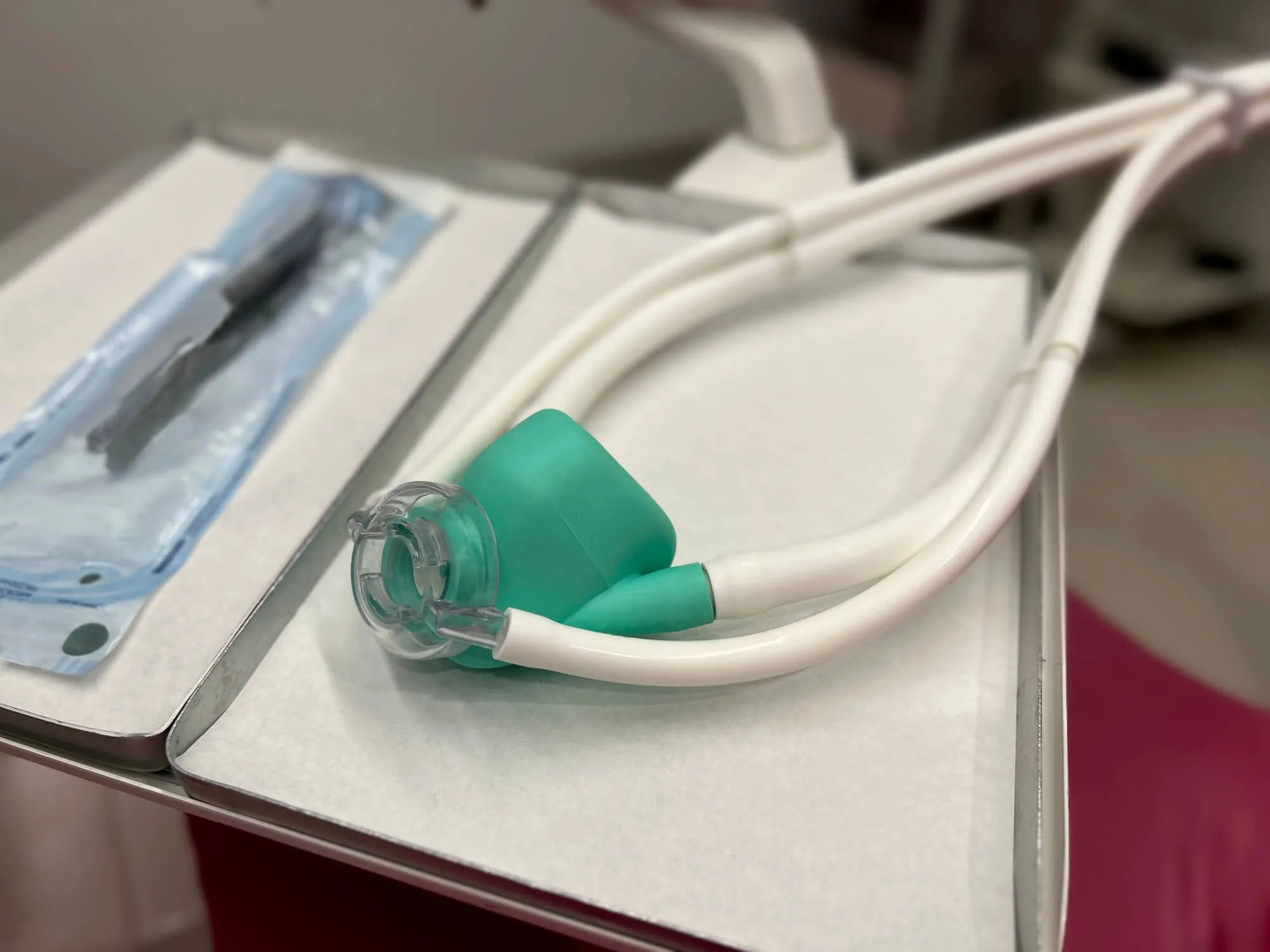
- Inhalation Sedation (Nitrous Oxide): A mild gas that you breathe in. The effects wear off quickly after the procedure.
- IV Sedation: A deeper level of sedation delivered through a vein for stronger relaxation.
Each method has benefits. Your care team will discuss which fits your comfort level.

Signs You Might Benefit from Sedation
Not everyone needs sedation, but it can be especially useful if you experience:
Avoidance of Dental Care
If you delay or skip appointments because of fear, sedation can help you get back on track.
Strong Physical Reactions
Sweating, shaking, nausea, or panic when thinking about dental work are signs that your anxiety is more than mild.
Past Traumatic Experiences
Negative past experiences in a dental setting can make future care more frightening. Sedation helps reduce the emotional memory tied to the experience.
Sensitivity to Pain or Sensations
Some people are very sensitive to dental sensations or noises. Sedation can dull awareness and improve comfort.
Preparing for a Sedation Appointment
Medical History and Safety
Before sedation, your dentist will review your medical history. That includes:
- Medications you take
- Allergies
- Past reactions to sedation or anesthesia
- Current health conditions
This ensures safety and comfort throughout your visit.
What to Expect on the Day
- You may be asked not to eat or drink for a set period before sedation.
- Someone will likely need to drive you to and from the appointment, especially if you require deeper sedation.
- Your dental team will explain what you can expect to feel and how the sedation works.
The goal is to make the experience as smooth and calm as possible.
Aftercare
Once the procedure ends:
- You may feel groggy for a short time.
- You’ll be monitored until it’s safe to go home.
- Follow-up instructions keep you comfortable afterward.
Your care team will make sure you have clear instructions and support before you leave.
Misconceptions About Sedation
“Sedation Is Only for Surgery”
Many assume sedation is only for major procedures. Actually, sedation helps with a range of care, including routine cleanings for anxious patients.
“You Lose Control”
With minimal or moderate sedation, you remain conscious and can respond to instructions. You feel relaxed, not helpless.
“It’s Risky”
Sedation is safe when administered by trained professionals who monitor your vital signs. Safety always comes first.
Life After Using Sedation
Many patients feel grateful they tried sedation. It can change how they approach dental care. Instead of fear, they feel relief and confidence. Some describe it as a turning point for their oral health, enabling them to get regular care without tension.
Support and Care with Sedation Dentistry in 33304
Dental fear, whether anxiety or phobia, affects many people. Knowing there’s support available helps reduce stress and opens the door to better care. Sedation doesn’t take the choice away from you; it gives you options that fit your needs.
If dental visits trigger unease or fear, you don’t have to manage that feeling on your own. There is support to make the treatment as calm and comfortable as possible.
At 1500 Dental, your comfort is just as important as your dental health. Our approach to sedation dentistry in 33304 helps patients with both anxiety and phobia feel more at ease, relaxed, and comfortable during care. You don’t have to avoid the dentist due to fear. We take the time to tailor care around your needs and provide the gentle support that helps you feel secure in every appointment.
Contact 1500 Dental to schedule a consultation or ask about sedation options that fit your comfort level. We’re here to help you protect your smile with confident, calm care.