What You Should Know About Adjustments and Tightening
If you’re starting orthodontic treatment, the idea of regular tightening appointments can feel a little intimidating. Many people worry about discomfort, how long the soreness will last, or what their orthodontist is actually doing during each visit. These questions are completely normal, and understanding the process can make the experience far less stressful.
If you’re getting braces in 33304, knowing what happens during an adjustment helps you feel prepared, confident, and ready for steady progress throughout your treatment.
What to Expect During an Adjustment
Your Braces Are Doing Their Job
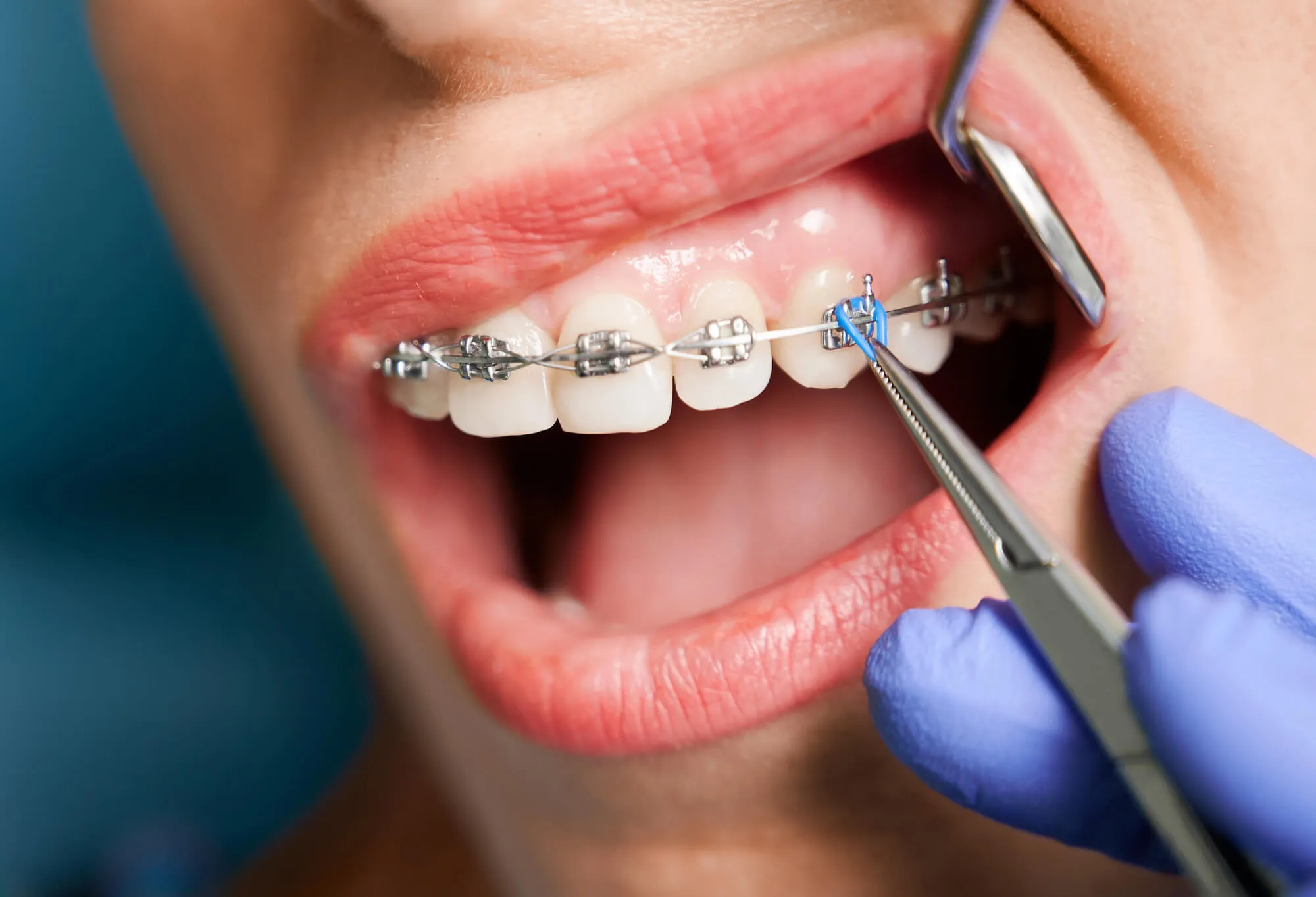
Adjustments aren't just routine checkups. They’re an essential part of how braces work. When your orthodontist adjusts the archwire, it renews the gentle pressure that gradually moves your teeth into their desired position. You might notice tighter tension right after an appointment—and that’s a good thing. It means the wire is being re-engaged to continue the alignment process.
This pressure stimulates the surrounding bone to adapt, allowing the teeth to shift into better positions over time. It’s a cycle that takes place slowly but steadily with each visit.
Common Sensations After Tightening
After an adjustment, it’s normal to feel a dull ache or tightness for a day or two. Some patients describe it as a bit of soreness when biting or chewing. This discomfort usually eases within 48 hours and can be managed with soft foods and over-the-counter pain relief if needed.
It helps to plan your meals with this in mind—soups, smoothies, mashed potatoes, and scrambled eggs are all braces-friendly and easier on your mouth right after a tightening.
Why Adjustments Are So Important
Skipping or delaying adjustments can interrupt your progress and stretch your overall treatment time. Every visit is carefully timed to keep your tooth movement on track. Your orthodontist also uses these visits to check how your bite is responding and whether your teeth are tracking as expected.
Think of it as recalibrating your progress. These fine-tuned changes are what make metal braces so effective for even complex alignment issues.

What Happens During an Adjustment Appointment?
Inspection First
Each appointment usually begins with a quick check. The orthodontist will examine your teeth, brackets, and wires for any damage or issues. If anything’s loose or broken, they’ll address it before making any changes.
Wire Changes and Tightening
In many cases, you’ll get a new archwire. This can be slightly thicker or stronger than the previous one, depending on your progress. The orthodontist will replace the elastic ties or bands that hold the wire to the brackets, sometimes letting you choose fun colors if you want to personalize your braces.
Progress Tracking
Your orthodontist also uses these visits to ensure that everything is aligning as planned. They might take photos or make notes about how your teeth are moving. These updates help fine-tune your treatment plan as needed.
What About Invisalign Adjustments?
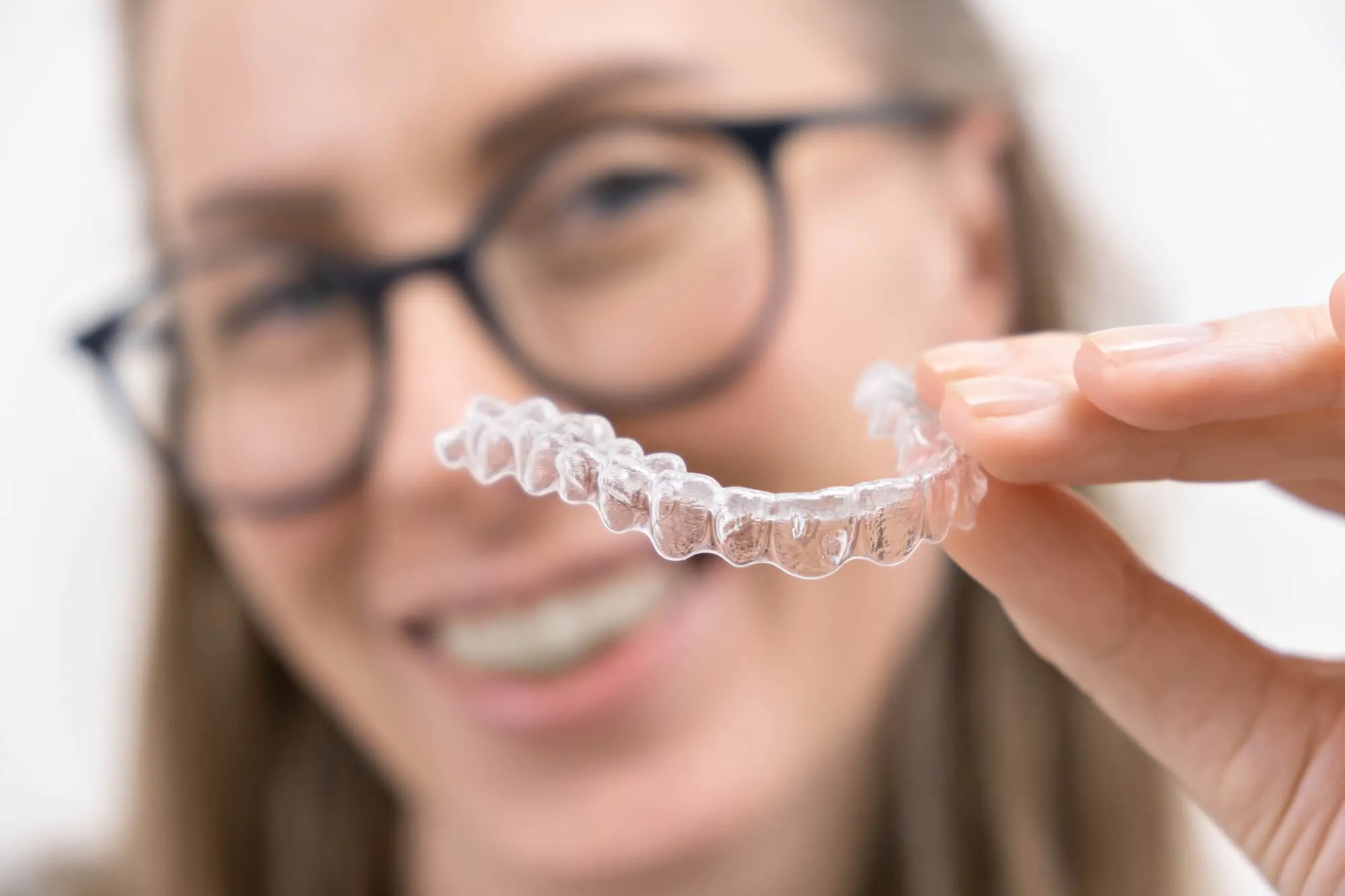
If you're wearing Invisalign® instead of traditional braces, adjustments work differently—but they still require consistency and follow-up. Invisalign uses a series of custom aligners that are changed out every one to two weeks.
Instead of manually tightening wires, your orthodontist checks how your teeth are tracking with the current set of aligners. If your progress is on schedule, they’ll give you the next batch of trays. If something’s off, they may modify your wear schedule or refine your treatment plan with updated impressions.
You’ll still need check-ins every 6–8 weeks to make sure the trays are working properly. Even though Invisalign feels less invasive, the strategy behind each aligner set is as planned and structured as the adjustments for braces.
Tips to Make Adjustments More Comfortable
While soreness after an adjustment is normal, there are simple ways to ease the pressure and keep things manageable between visits. Try the following tips to stay comfortable and avoid unnecessary irritation:
- Stick to Soft Foods: Choose soups, mashed potatoes, yoghurt, pasta, and smoothies for a couple of days after each adjustment. Avoid crunchy or chewy foods that might irritate your teeth or strain the brackets.
- Use Orthodontic Wax: If brackets or wires rub against your cheeks or lips, a small dab of orthodontic wax can create a smooth barrier and minimize irritation.
- Stay on Top of Hygiene: Soreness might tempt you to skip brushing, but don’t. Food and plaque buildup around brackets can increase your risk for cavities or gum inflammation.
- Communicate Changes: If anything feels unusual, like a wire poking your cheek or discomfort that worsens, call your orthodontist. Quick fixes can prevent bigger issues later.
Managing comfort is just one part of the braces experience. It's equally important to go in with a clear understanding of what the treatment can realistically achieve.
Keeping Expectations Realistic
Metal braces work gradually. Adjustments are a vital part of this process, but they don’t deliver instant changes. Each appointment builds on the last. Whether your case involves crowding, spacing, bite correction, or jaw alignment, progress will come with time and commitment.
The same goes for Invisalign. Missing aligner time or skipping visits can throw off the timing of your results. Whether you’re wearing metal brackets or clear trays, consistency is what leads to improvement.
Which Is Better: Braces or Invisalign?
That depends on your needs, habits, and lifestyle.
- Braces are ideal for complex orthodontic concerns and require less responsibility from the wearer (you can’t remove them).
- Invisalign is better suited for mild to moderate alignment needs, offering flexibility and discretion—but requires discipline to wear for 20–22 hours per day.
Your orthodontist will help you weigh the pros and cons based on your teeth, timeline, and preferences.

Do You Have More Questions About Braces in 33304?
Regular adjustments are necessary to keep your braces working effectively. If you're managing discomfort or have questions about how everything fits into your treatment plan, a supportive orthodontic team can make all the difference.
Every visit is a chance to keep things moving forward, whether you're wearing braces or Invisalign. Understanding how these appointments work can help you feel more at ease and stay motivated throughout the process.
You don’t have to manage your braces alone. At 1500 Dental, orthodontic care is designed to make your experience smoother and more comfortable, from your first consultation to your final appointment.
Book your next adjustment or Invisalign check-in with 1500 Dental in Fort Lauderdale. Let us support your healthiest, most confident smile—your comfort and care are our priorities.
*Invisalign®, the Invisalign logo, and iTero®, among others, are trademarks and/ or service marks of Align Technology, Inc. or one of its subsidiaries or affiliated companies and may be registered in the U.S. and/or other countries.