What Can Affect Healing After Dental Implant Placement?
Healing after dental implant placement doesn’t always look the same for every patient. Some people feel noticeably better within days, while others worry about swelling that lingers longer than expected, soreness that comes and goes, or healing that seems slower than anticipated. That uncertainty can feel stressful, especially if you’re unsure what’s considered normal during recovery. If you’re considering dental implants in 33304, understanding the factors that affect healing may help you feel more prepared before treatment even begins.
Healing After Implant Placement Takes Time
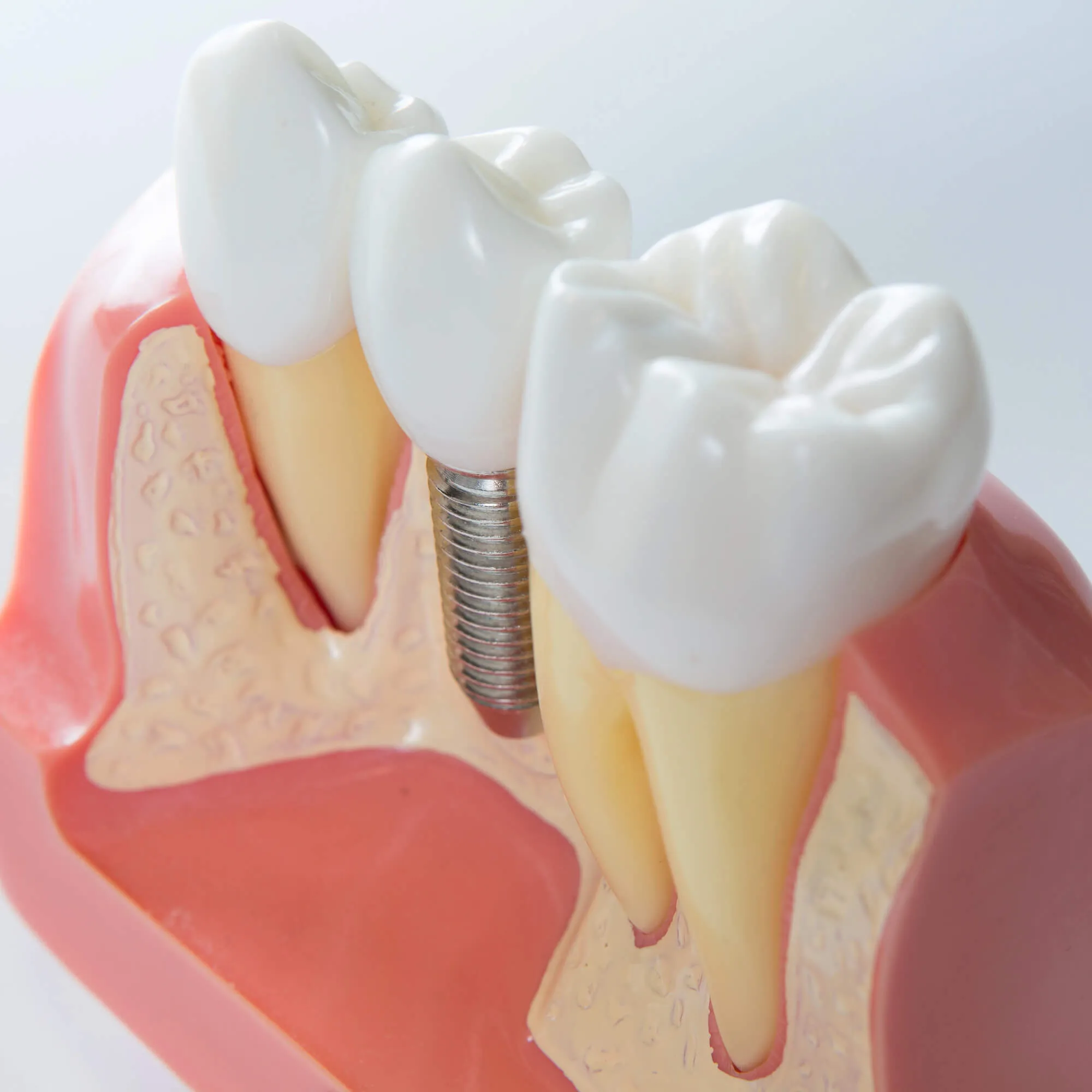
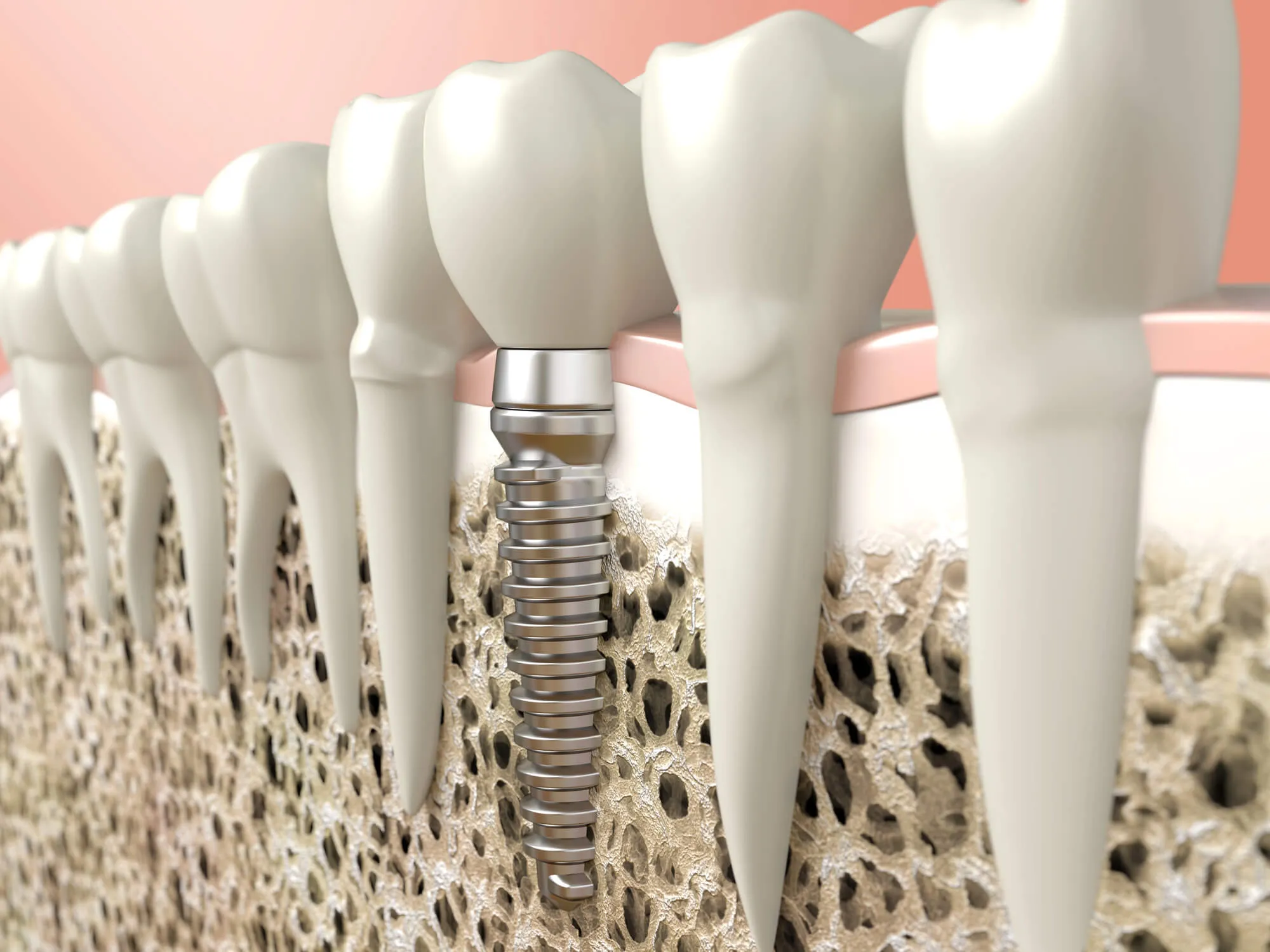
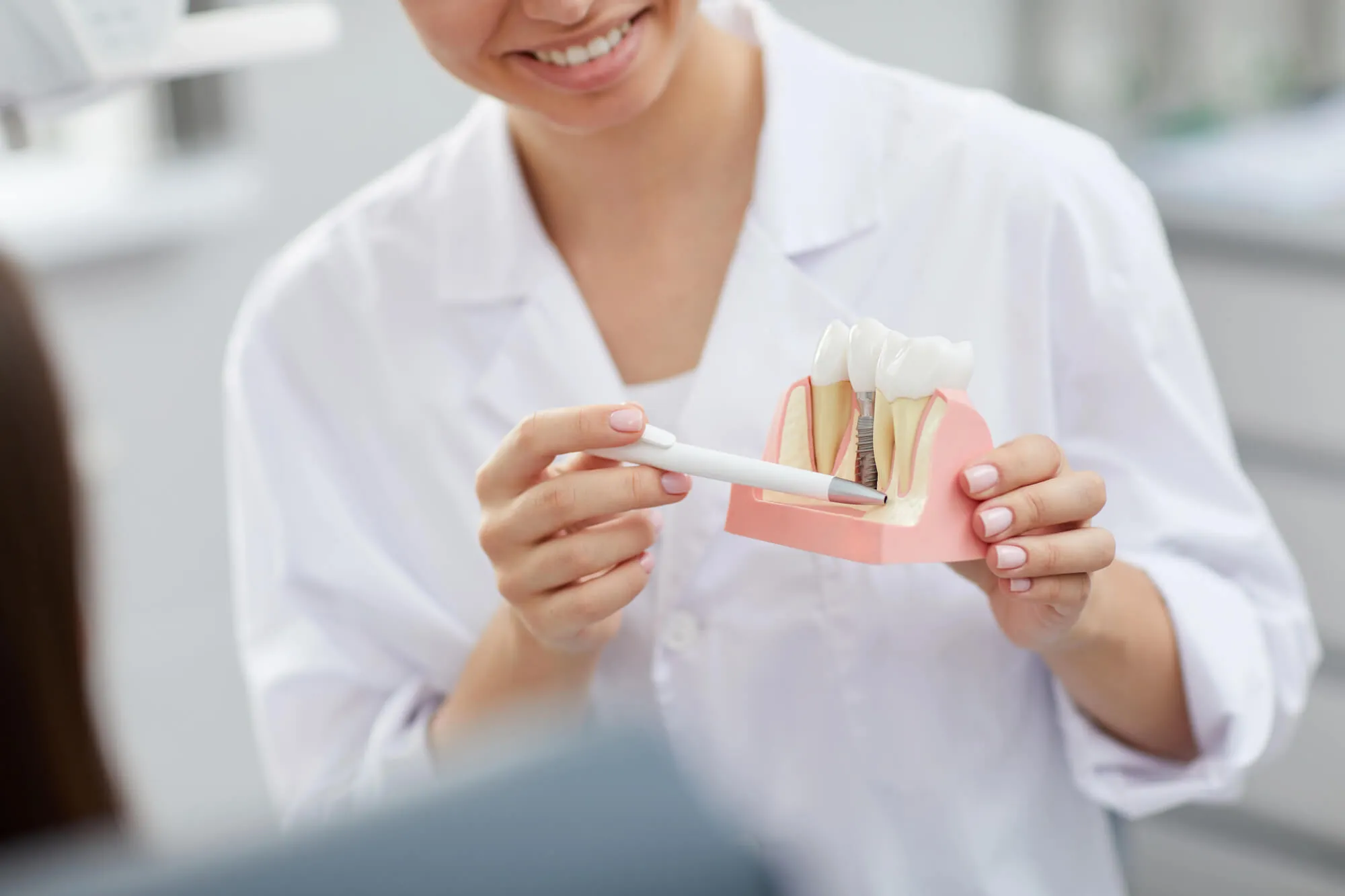
Unlike fillings or crowns, dental implants depend on the jawbone healing around the implant itself. After placement, the surrounding bone gradually bonds to the implant surface through a process called osseointegration. This connection helps create the stability needed to support a crown, bridge, or denture long term.
The gums may begin feeling better within the first couple of weeks, but deeper healing continues beneath the surface for several months. Bone tissue gradually adapts around the implant during this time, helping improve stability and long-term function.
Bone Quality and Density Matter
Healthy Bone Supports Implant Stability
Dental implants rely heavily on healthy bone support. The jawbone needs sufficient density and volume to securely hold the implant while healing occurs.
Some patients naturally have stronger bone structure than others. Bone loss caused by missing teeth, gum disease, or aging may reduce support in certain areas of the mouth.
This becomes especially important if a tooth has been missing for a long time. Without stimulation from a tooth root, the jawbone may gradually shrink over time.
Bone Grafting May Be Recommended
In some cases, the jawbone needs additional support before implant placement can happen safely. If there isn’t enough healthy bone available, bone grafting may be recommended beforehand.
Bone grafting helps:
- Build additional support
- Improve implant stability
- Create stronger long-term healing conditions
Although this may extend the treatment timeline, it often improves the chances of long-term implant success.
Smoking Can Slow Recovery
Smoking reduces blood flow throughout the gums and jawbone, making it harder for healing tissue to receive oxygen and nutrients. Patients who smoke may experience slower healing, more inflammation, and an increased risk of implant instability. Reducing or stopping smoking before treatment may help improve recovery conditions.
Tobacco can also irritate soft tissue during the healing process, making the implant site more vulnerable to complications. Because dental implants rely on healthy bone and gum support, limited circulation may interfere with how well the implant integrates with the jawbone over time. Patients who continue smoking after implant placement may also notice prolonged soreness or delayed gum healing compared to non-smokers.

Oral Hygiene Plays a Major Role
Bacteria Still Collect During Healing
Even after implant placement, plaque and bacteria continue building up inside the mouth. If oral hygiene becomes inconsistent during recovery, the surrounding tissue may become irritated.
Patients are often advised to:
- Brush carefully around the area
- Use recommended rinses
- Avoid disturbing healing tissue
- Attend regular follow-up visits
Healthy Gums Support Long-Term Success
Implants rely on healthy surrounding gums for stability. Inflammation during healing may interfere with how tissue adapts around the implant.
Keeping gums healthy during recovery helps create stronger support over time.
Medical Conditions Can Affect Healing
Diabetes Can Slow Tissue Repair
Patients with uncontrolled diabetes may heal more slowly because blood sugar levels affect circulation and tissue recovery.
This doesn’t automatically prevent someone from getting implants, but blood sugar management often becomes an important part of treatment planning.
Certain Medications and Health Conditions Matter
Some medical conditions and medications may affect how the body heals after surgery.
Examples include:
- Autoimmune disorders
- Certain osteoporosis medications
- Cancer treatments
- Immune system conditions
A detailed medical review helps the dental team evaluate healing risks and plan treatment more safely.
Teeth Grinding Creates Extra Pressure
Grinding Can Stress Healing Implants
Grinding and clenching place strong pressure on both natural teeth and implants. During healing, excessive force may interfere with implant stability.
Some patients don’t realize they grind until symptoms begin appearing.
Common signs include:
- Jaw soreness
- Morning headaches
- Tooth wear
- Muscle tension
Night Guards May Help Protect Implants
For patients who grind during sleep, a custom night guard may be recommended to reduce pressure during recovery and protect long-term implant stability.
Foods That May Irritate Healing Tissue
During recovery, patients are usually advised to avoid:
- Crunchy foods
- Hard foods
- Sticky snacks
- Extremely hot foods
These foods may irritate healing tissue or place unnecessary pressure near the implant site. Staying hydrated and following post-operative instructions also helps support recovery.
Following Instructions Makes a Difference
Small Habits Affect Healing
Post-operative instructions are designed to support healing and reduce complications. Patients who follow recovery guidelines closely often experience smoother healing overall.
Instructions may include:
- Taking medications properly
- Avoiding smoking
- Keeping the area clean
- Limiting pressure near the implant
- Returning for follow-up appointments
Ignoring these recommendations may slow recovery or increase irritation.
Follow-Up Visits Help Monitor Progress
Follow-up visits allow the dental team to monitor healing, implant stability, gum condition, and bite pressure throughout recovery. These appointments help identify concerns early before larger complications develop.
Signs Healing Should Be Evaluated
Some swelling and tenderness after implant placement are normal. Mild discomfort often improves gradually over several days.
Patients should contact their provider if they notice:
- Severe pain
- Persistent swelling
- Fever
- Implant movement
- Bleeding that continues
- Discomfort that worsens instead of improving
Early evaluation helps determine whether healing is progressing normally.
Healing Looks Different for Every Patient
No two implant cases heal exactly the same way. Bone quality, oral hygiene, medical history, lifestyle habits, and overall health all influence recovery.
Some patients recover quickly with minimal discomfort. Others need additional healing time or supportive procedures before final restorations are placed.
The goal isn’t simply faster healing. It’s creating stable, healthy conditions that support implants comfortably for years to come.
Looking for Guidance About Dental Implants in 33304?
At 1500 Dental, implant care is designed around long-term comfort, function, and stability. Our team carefully evaluates bone health, bite alignment, gum condition, and overall oral health before treatment begins. Whether you need a single implant or a more complex restorative plan, we focus on personalized care that supports comfortable healing and long-term stability.
Schedule a consultation today to learn more about dental implants in 33304 and how thoughtful planning can help support a healthier, stronger smile.