Why Dry Mouth Can Affect Your Teeth and Gums
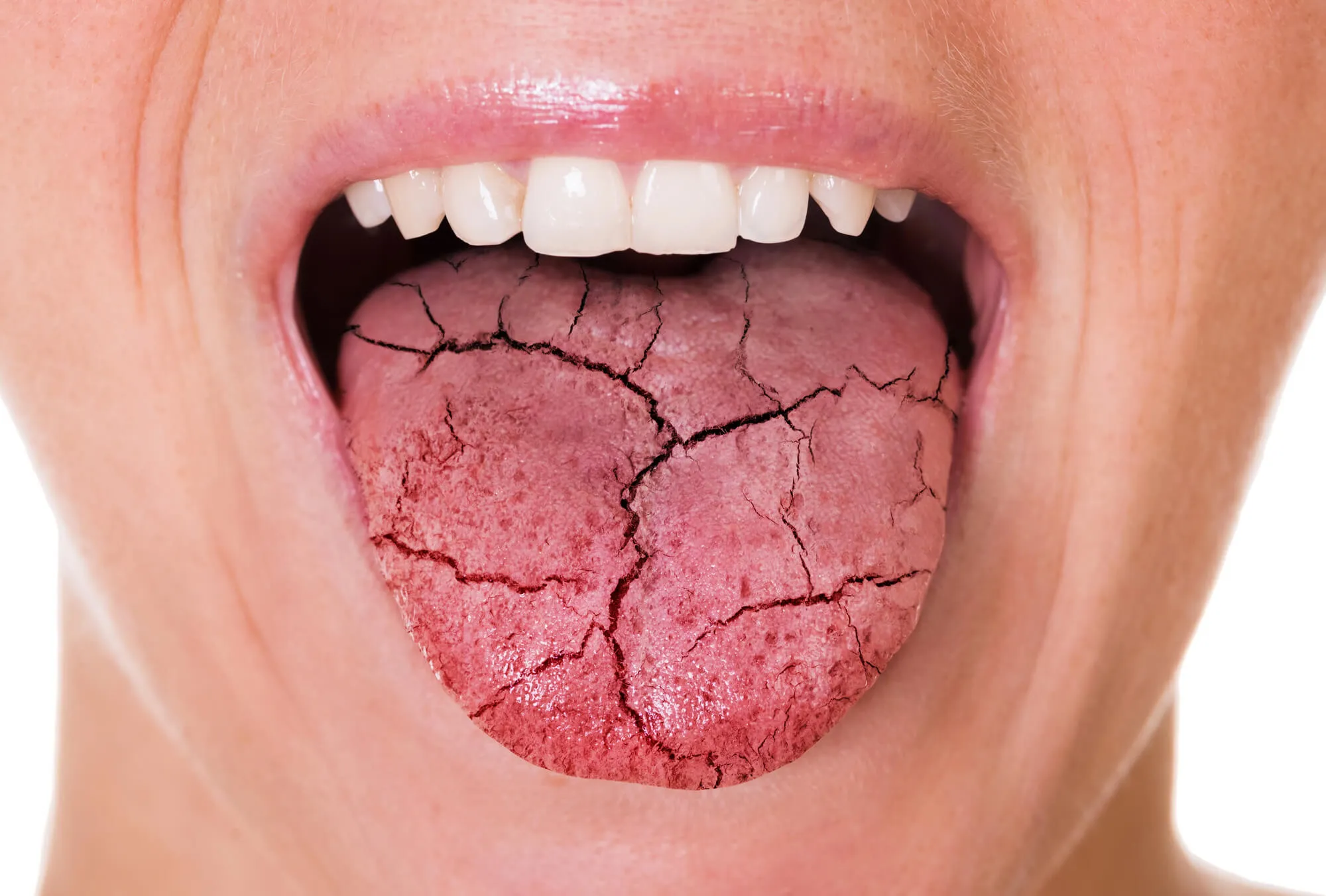
Most people think dry mouth is just an annoyance. Maybe your mouth feels sticky in the morning, water suddenly becomes something you reach for constantly, or speaking for long periods feels uncomfortable. What often gets overlooked is how much saliva protects your oral health every single day. Without enough of it, teeth and gums become more vulnerable to irritation, decay, and bacterial buildup. If you’ve been dealing with ongoing dryness, a visit to a dentist in 33304 may help identify the cause and reduce its effects on your smile.

Why Saliva Matters More Than People Realize
Saliva does much more than keep your mouth comfortable. It helps maintain balance inside the mouth throughout the day.
Saliva Helps Wash Away Bacteria
Food particles and bacteria collect constantly around teeth and gums. Saliva helps rinse away some of that buildup before it has time to settle along the gumline or tooth surfaces.
Without enough saliva, bacteria remain in the mouth longer. This can increase plaque buildup and create an environment where cavities and gum irritation develop more easily.
Saliva Helps Protect Tooth Enamel
Saliva contains minerals like calcium and phosphate that help support enamel strength. It also helps neutralize acids created by bacteria after eating or drinking.
A dry mouth allows acids to stay on teeth longer, increasing the risk of enamel wear and tooth sensitivity over time.
Saliva Supports Gum Health
Dryness can irritate soft tissue inside the mouth. Gums may become more sensitive, inflamed, or uncomfortable when saliva levels decrease.
Some patients notice:
- Tender gums
- Increased redness
- Mouth sores
- A burning sensation inside the mouth
These symptoms may gradually worsen if the underlying cause of dry mouth continues.
Common Causes of Dry Mouth
Dry mouth can happen for many different reasons. Sometimes it’s temporary. Other times, it becomes a long-term issue that requires professional attention.
Medications
One of the most common causes of dry mouth is medication use.
Certain medications may reduce saliva production, including:
- Antidepressants
- Allergy medications
- Blood pressure medications
- Anxiety medications
- Muscle relaxers
Patients taking multiple medications may notice stronger symptoms over time.
Mouth Breathing
Breathing through the mouth during sleep often dries out oral tissues overnight. Many people wake up with dry mouth without realizing that mouth breathing contributes to the issue.
Snoring, congestion, and some sleep-related breathing problems may also increase dryness.
Dehydration
Not drinking enough water affects saliva production. Heat, exercise, illness, and caffeine intake may contribute to dehydration-related dry mouth.
Smoking and Tobacco Use
Smoking reduces saliva flow and irritates the soft tissues inside the mouth. Tobacco products may worsen dryness while increasing the risk of gum problems and oral irritation.
Certain Health Conditions
Some medical conditions directly affect saliva production. Diabetes, autoimmune disorders, and some cancer treatments may contribute to chronic dry mouth symptoms.
How Dry Mouth Affects Teeth
Increased Risk of Cavities
Saliva helps limit bacteria and acid buildup around teeth. When saliva decreases, cavities can form more easily, especially near the gumline.
Patients with dry mouth may notice:
- Increased sensitivity
- Small cavities are developing quickly
- Rough spots on teeth
- Greater discomfort with hot or cold foods
Decay sometimes spreads faster in dry environments because teeth lose some of their natural protection.
Faster Enamel Wear
Acids remain on teeth longer when saliva is absent to neutralize them. Over time, enamel may wear down more quickly.
As enamel thins, teeth may:
- Become more sensitive
- Appear duller
- Feel rough along edges
- Develop small chips or cracks more easily
Difficulty Wearing Restorations or Dentures
Dry mouth can also affect dental restorations and dentures.
Patients may experience:
- Increased irritation under dentures
- Difficulty keeping dentures comfortable
- More plaque buildup around crowns or bridges
- Greater sensitivity near restorations
Saliva normally helps reduce friction and keeps oral tissues more comfortable throughout the day.
How Dry Mouth Affects Gums
More Bacteria Along the Gumline
Dry conditions allow plaque to accumulate more easily around the gums. Over time, this buildup may irritate soft tissue and increase inflammation.
Some patients notice more bleeding while brushing or flossing after dry mouth develops.
Persistent Bad Breath
Saliva helps control odor-causing bacteria inside the mouth. Reduced saliva often leads to stronger or more persistent bad breath.
socially frustrating and may persist. This can be socially frustrating and may persist even with brushing or mouthwash.
Increased Gum Sensitivity
Dry tissues tend to become irritated more easily. Some patients notice soreness or discomfort while eating certain foods or brushing near sensitive gum areas.
Signs Dry Mouth Should Be Evaluated
Occasional dryness may not always require treatment. Still, ongoing symptoms deserve attention.
Watch for:
- Constant thirst
- Difficulty swallowing dry foods
- Sticky saliva
- Burning sensations
- Cracked lips
- Persistent bad breath
- Increased cavities
- Mouth sores
A dentist 33304 can evaluate whether dryness may be affecting your oral health more than you realize.
Ways to Help Manage Dry Mouth
Stay Hydrated
Drinking water consistently throughout the day helps support saliva production and reduces mouth irritation.
Limit Drying Substances
Alcohol, tobacco, and excessive caffeine may worsen dryness for some patients.
Use Saliva-Friendly Products
Some toothpastes, rinses, and sprays are designed specifically for dry mouth symptoms. Your dentist may recommend products that help support moisture balance more comfortably.
Maintain Consistent Dental Visits
Patients with dry mouth often benefit from closer monitoring because cavities and gum irritation may develop more quickly.
Routine cleanings and exams help identify problems earlier, before they become larger concerns.
Why Early Attention Matters
Dry mouth sometimes develops gradually, making symptoms easy to dismiss at first. Many patients simply adjust to the discomfort without realizing it may be affecting their teeth and gums every day.
The longer dryness continues, the harder oral tissues have to work without saliva’s natural protection. Addressing symptoms earlier may help reduce the risk of decay, gum irritation, and long-term enamel wear.

Looking for a Dentist in 33304 to Help With Dry Mouth?
At 1500 Dental, we understand how frustrating ongoing dry mouth can feel. Our team takes time to evaluate what may be contributing to your symptoms and how those changes are affecting your teeth, gums, and overall comfort. Whether dryness is connected to medications, health conditions, or everyday habits, we focus on personalized care that supports long-term oral health.
Schedule an appointment with our dentist at 1500 Dental today, and let our team help you protect your smile with comfortable, supportive care tailored to your needs.