Why Some Dental Restorations Last Longer Than Others

Dental restorations are meant to restore comfort, function, and confidence, so it can feel discouraging when one needs repairs much sooner than expected. Some patients go years without issues, while others experience loose crowns, worn bridges, or repeated adjustments sooner than anticipated. That difference often comes down to more than luck. Bite pressure, oral habits, material selection, and long-term planning all affect how restorations hold up over time. A prosthodontist in Fort Lauderdale carefully evaluates these details to help restorations remain stable, comfortable, and functional for as long as possible.

What Affects the Lifespan of Dental Restorations?
Dental restorations are subjected to constant pressure throughout the day. Chewing, speaking, grinding, temperature changes, and normal wear all affect how long they remain stable. Some restorations continue functioning comfortably for decades, while others require repairs much sooner. The difference usually comes down to a combination of planning, maintenance, and daily habits.
The Type of Restoration Matters
Every restoration works differently inside the mouth.
For example:
- Crowns cover and strengthen damaged teeth
- Bridges replace missing teeth using neighboring teeth for support
- Dentures restore multiple missing teeth and rest along the gums
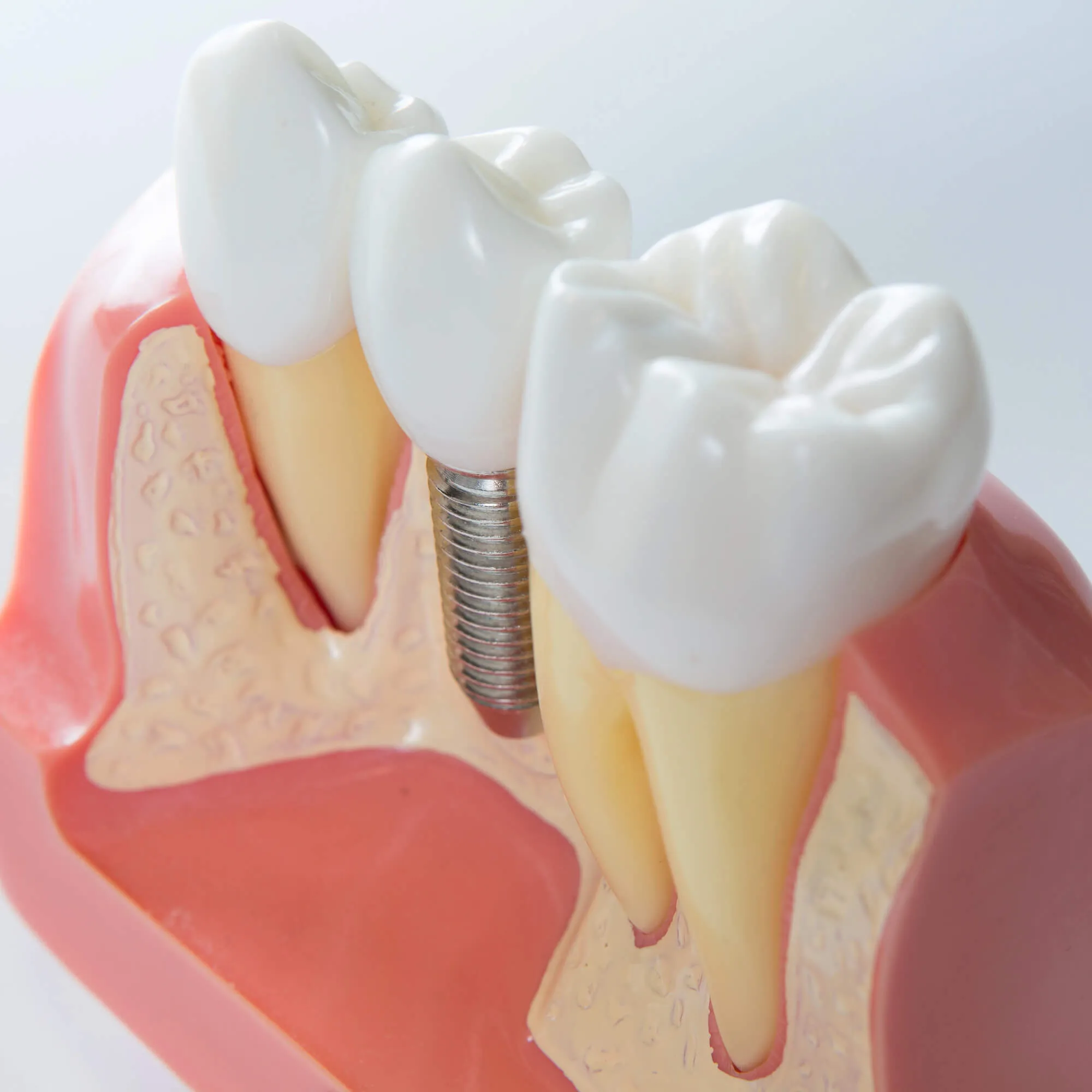
- Implant restorations attach to implants placed within the jawbone
Each restoration experiences different levels of force depending on its position in the mouth. Back teeth absorb much more pressure than front teeth, which affects how materials wear over time.
Material Selection Can Influence Longevity
Not all restorative materials respond the same way to pressure and wear. Some are selected for durability, while others are chosen for aesthetics in highly visible areas.
A prosthodontist considers several factors before recommending materials, including:
- Tooth location
- Bite force
- Cosmetic goals
- Overall oral health
For example, molars often require stronger materials because they handle more chewing pressure throughout the day. Front teeth may focus more on natural appearance while still maintaining strength.
Bite Alignment Makes a Bigger Difference Than Many Realize
Even a well-made restoration can wear down faster if the bite is uneven.
When pressure lands too heavily on one crown, bridge, or implant restoration, it may lead to:
- Chipping or fractures
- Loosening
- Faster wear
- Jaw discomfort
- Stress on surrounding teeth
Small bite imbalances repeated over time can create ongoing strain. This is one reason detailed planning matters in restorative dentistry. A restoration should fit naturally into the overall bite rather than simply filling a damaged area.
Everyday Habits That Affect Restorations
Teeth Grinding and Clenching
Grinding places intense pressure on both restorations and natural teeth. Some patients are unaware they grind their teeth during sleep until symptoms begin.
Common signs include:
- Morning jaw soreness
- Flattened teeth
- Chipped restorations
- Tooth sensitivity
- Headaches
Night guards are often recommended to reduce stress on restorations while sleeping.
Oral Hygiene Still Matters
Crowns, bridges, and implant restorations still depend on healthy surrounding tissue.
Plaque buildup near restoration margins may contribute to:
- Gum inflammation
- Decay around crowns
- Irritation near bridges
- Bone loss around implants
Dental implants cannot develop cavities, but the surrounding gums and bone still require proper care to remain healthy.
Consistent brushing, flossing, and professional cleanings help restorations remain stable longer.
Using Teeth as Tools
Chewing ice, opening packages with teeth, biting fingernails, or crunching hard objects increases stress on restorations.
Even durable materials have limits. Repetitive strain increases the likelihood of cracks, chips, and loosening over time.
Why Professional Planning Matters
Precision Supports Long-Term Stability
Restorations that fit improperly tend to experience problems earlier. Even small gaps or uneven pressure points can create complications later.
A prosthodontist focuses carefully on:
- Bite balance
- Jaw function
- Tooth spacing
- Restoration fit
- Long-term comfort
This attention to detail helps restorations feel more natural during everyday use.
Function Matters Just as Much as Appearance
Patients often focus heavily on aesthetics, especially for visible teeth. Appearance matters, but restorations also need to function comfortably under daily pressure.
A restoration should help you:
- Bite evenly
- Chew comfortably
- Speak naturally
- Maintain jaw balance
Restorations designed without considering overall function may wear down faster or feel uncomfortable over time.
Monitoring Changes Over Time
The mouth changes gradually over the years. Teeth may shift slightly, bite patterns can change, and restorations naturally experience wear.
Routine evaluations allow dentists to monitor:
- Wear patterns
- Gum health
- Bite changes
- Implant stability
- Small fractures before they worsen
Addressing smaller issues early may help prevent larger repairs later.
Why Dental Implants Often Last Longer
Dental implants are known for long-term durability because they integrate directly with the jawbone. Still, implant longevity depends on proper planning and maintenance.
Bone and Gum Health Are Essential
Healthy bone support helps implants remain stable over time. Gum inflammation surrounding implants may weaken nearby tissue and affect long-term success.
This is why ongoing maintenance remains important even after implant placement is complete.
Implant Positioning Matters
Implant placement affects:
- Bite force distribution
- Cleaning access
- Appearance
- Long-term comfort
- Stability during chewing
Careful positioning helps restorations function more predictably over time.
Maintenance Still Makes a Difference
Implants are durable, but they are not maintenance-free.
Grinding, smoking, poor oral hygiene, and skipped cleanings may still affect the surrounding tissue and implant stability. Long-term habits remain an important part of implant success.
Signs a Restoration May Need Attention
Restorations often show warning signs before larger problems develop.
Watch for:
- Sensitivity around crowns or bridges
- Pain while chewing
- Loose restorations
- Chipped porcelain
- Gum irritation
- Changes in your bite
These symptoms do not always mean a restoration has failed, but they should be evaluated before the issue worsens.
Long-Term Care Helps Protect Your Investment
Dental restorations work best when they’re maintained consistently over time.
Patients can help protect restorations by:
- Brushing twice daily
- Flossing carefully around restorations
- Wearing a night guard if recommended
- Avoiding chewing hard objects
- Attending routine dental visits
Small daily habits often make a major difference in how long restorations remain comfortable and functional.

Personalized Restorative Care from a Prosthodontist in Fort Lauderdale
At 1500 Dental, restorative dentistry focuses on more than replacing damaged or missing teeth. Every crown, bridge, denture, and implant restoration is planned with comfort, function, and long-term stability in mind. Our prosthodontist in Fort Lauderdale evaluates how your teeth work together, how your bite functions, and what your smile needs to stay healthy over time.
We believe restorative care should feel supportive, personalized, and designed around your everyday life—not just your dental records.
Schedule a consultation with 1500 Dental today and learn how thoughtful restorative planning can help support a healthier, stronger smile for years to come.