What Causes Teeth to Wear Down as You Age?
You glance at an old photo and notice something different about your smile. Maybe your teeth look shorter than they once did. Perhaps they're more sensitive to cold drinks, or small chips seem to appear more easily than before. Many people assume these changes are simply a normal part of getting older. Age does play a role, but it's only part of the story. A dentist in Wilton Manors, FL, can help identify the habits, conditions, and everyday forces that contribute to tooth wear over time and what can be done to help preserve your smile.

Why Teeth Change Over Time
Teeth are remarkably strong, but they experience years of constant use. Every bite, chew, and sip places some level of stress on the enamel that protects them.
While enamel is the hardest substance in the human body, it cannot regenerate once it wears away. As the years pass, small amounts of wear can accumulate, sometimes leading to noticeable changes in the appearance and function of your teeth.
Not All Tooth Wear Happens at the Same Rate
Some people reach their seventies with very little enamel wear, while others begin noticing changes much earlier. Lifestyle habits, oral health conditions, and bite patterns all influence how quickly teeth wear down.
That's why age alone doesn't determine the condition of your teeth. The factors affecting your smile often start decades before noticeable symptoms appear.
Common Causes of Tooth Wear
Everyday Chewing and Natural Use
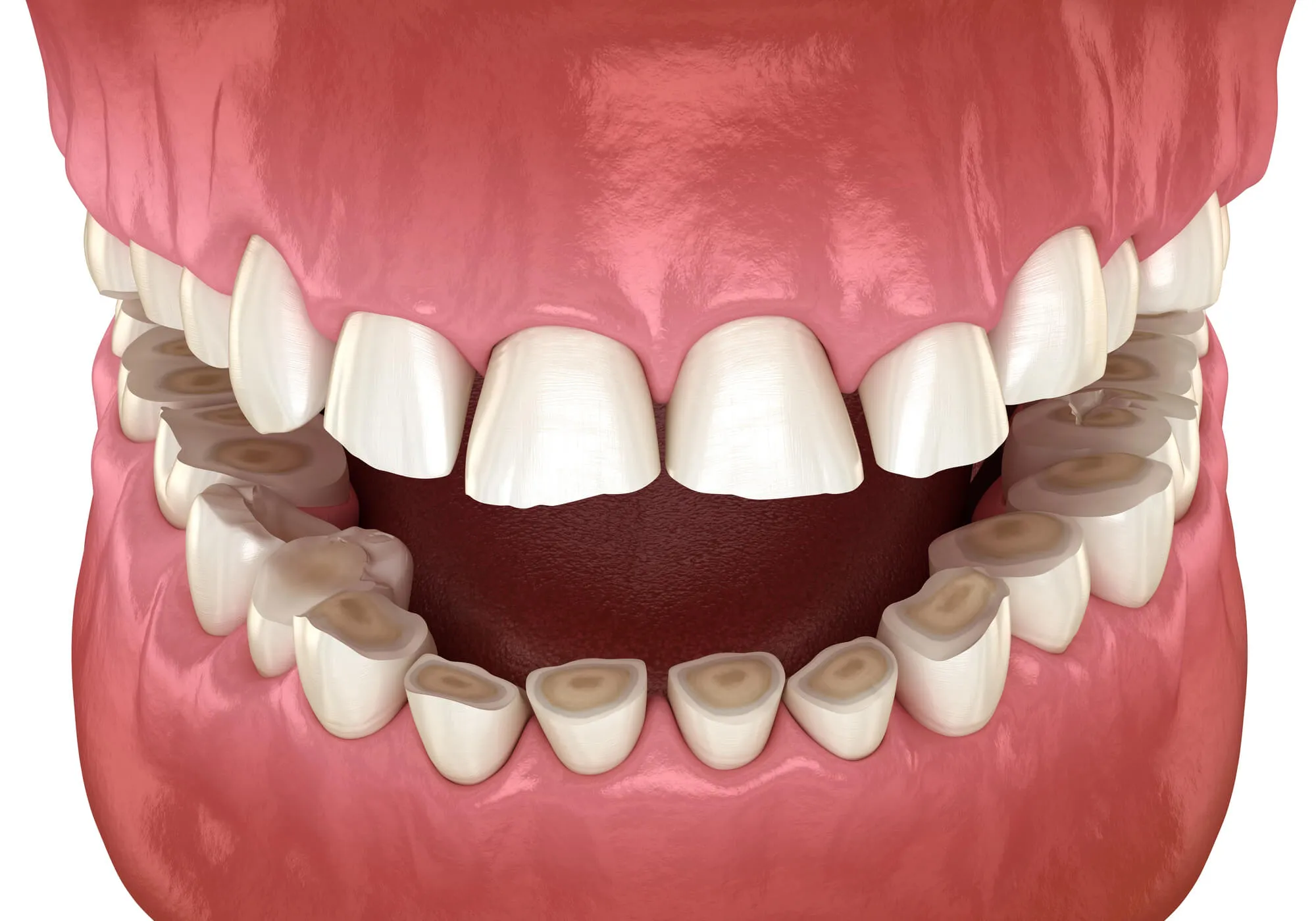
Even healthy teeth experience gradual wear over time. Every meal creates friction between opposing teeth. Over the course of years, repeated contact can slowly flatten biting surfaces.
This type of wear is often mild and expected. Problems arise when additional factors accelerate the process.
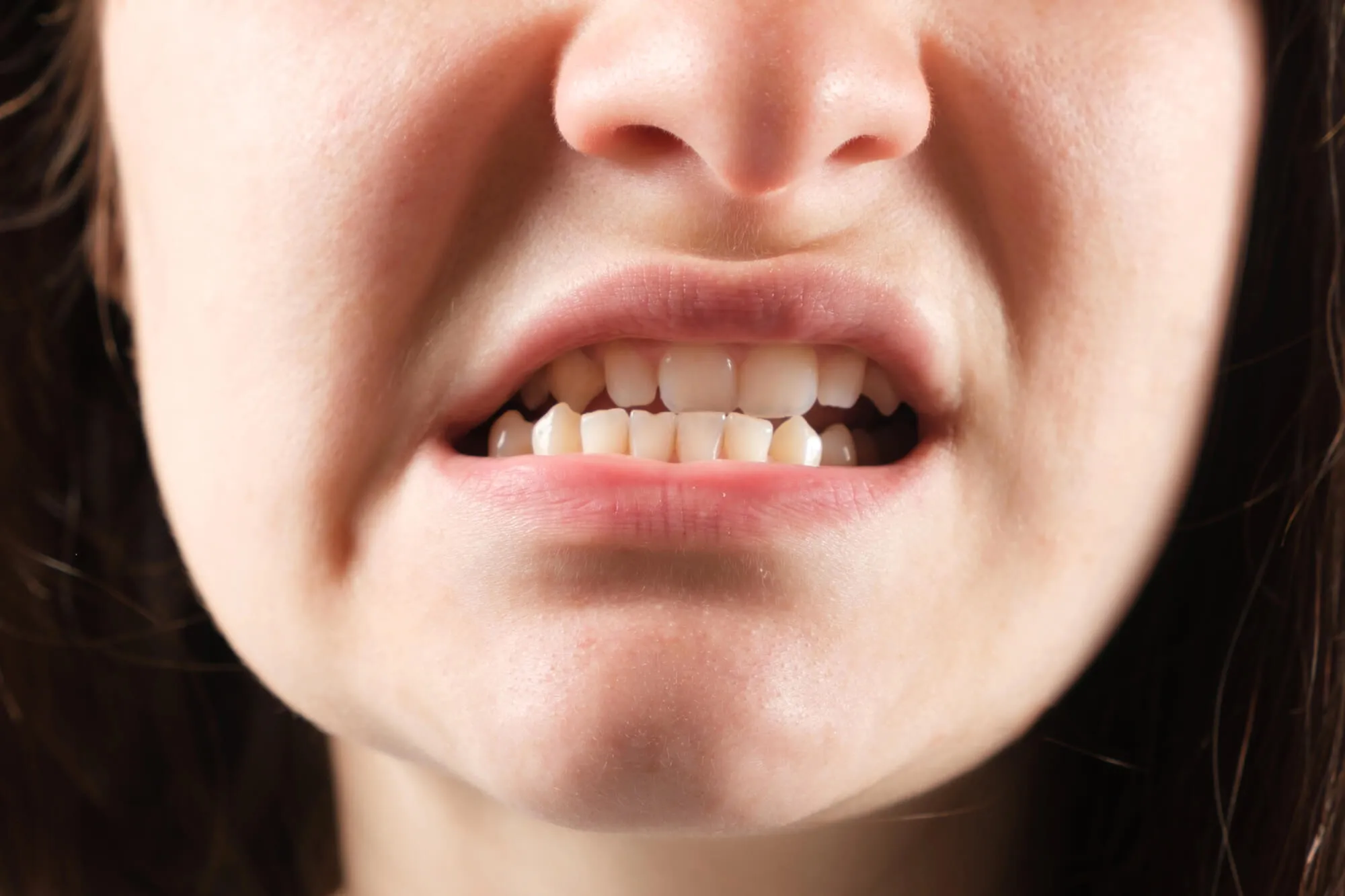
Teeth Grinding and Clenching
One of the most common causes of excessive tooth wear is grinding, also known as bruxism.
Many people grind their teeth while sleeping and don't even realize they're doing it. Others clench their teeth throughout the day during stressful situations.
Over time, grinding may cause:
- Flattened tooth surfaces
- Chipped edges
- Increased sensitivity
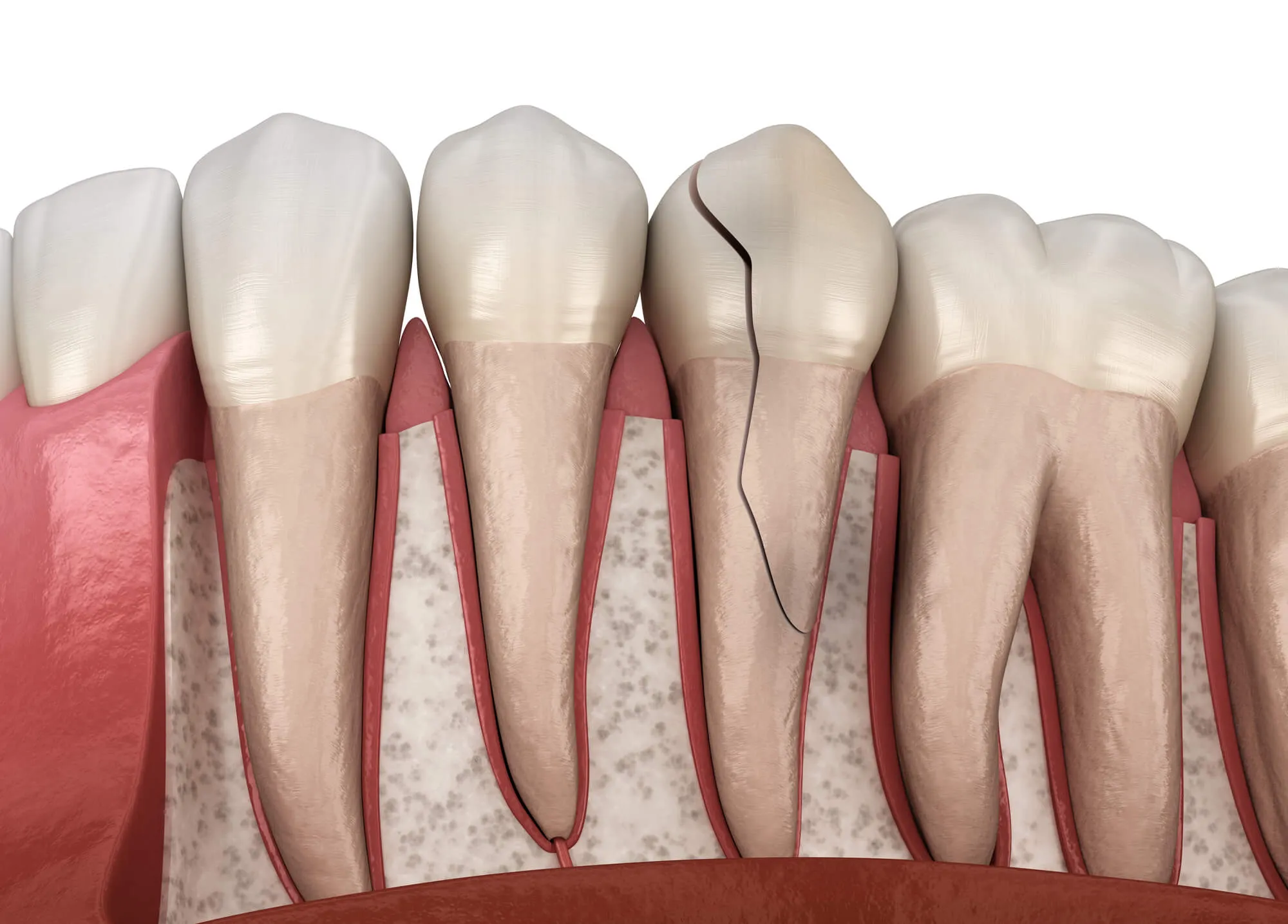
- Small cracks
- Jaw soreness
The pressure generated during grinding can be far greater than the forces used during normal chewing.
Acid Erosion
Not all tooth wear comes from physical contact. Acids can gradually dissolve enamel, making teeth more vulnerable to damage.
Common sources of acid exposure include:
- Soft drinks
- Sports drinks
- Citrus fruits
- Acid reflux
- Frequent snacking on acidic foods
As enamel becomes thinner, teeth may appear more transparent near the edges and become increasingly sensitive.
Aggressive Brushing Habits
Brushing is essential for oral health, but brushing too hard can wear down enamel and cause gum recession.
Using excessive pressure or a hard-bristled toothbrush may gradually wear away areas near the gumline. This can expose softer tooth surfaces underneath, leading to sensitivity and increased vulnerability to decay.
How Bite Problems Affect Tooth Wear
Uneven Pressure Creates Excess Stress
Ideally, teeth should distribute chewing forces evenly throughout the mouth. Bite imbalances can concentrate pressure on certain teeth, causing them to wear faster than others.
Signs of uneven wear may include:
- Flattened teeth in specific areas
- Chipping
- Jaw discomfort
- Changes in how teeth fit together
Even small bite discrepancies can create long-term wear patterns.
Missing Teeth Can Change Bite Forces
When a tooth is missing, neighboring teeth often shift over time. This movement can alter the distribution of biting pressure.
As a result, certain teeth may absorb more force than they were designed to handle, increasing wear and stress throughout the mouth.
Medical Conditions That Contribute to Tooth Wear
Acid Reflux
Many people don't realize that acid reflux can affect oral health.
Stomach acid that repeatedly reaches the mouth may gradually erode enamel, especially on the inside surfaces of teeth. Because this process often occurs slowly, patients may not notice damage until sensitivity or visible wear develops.
Dry Mouth
Saliva helps protect teeth by neutralizing acids and washing away food particles.
When saliva production decreases, enamel loses some of its natural protection. Dry mouth may result from:
- Certain medications
- Medical conditions
- Cancer treatments
- Dehydration
Over time, reduced saliva can contribute to faster enamel wear and an increased risk of cavities.
Signs Your Teeth May Be Wearing Down
Tooth wear often develops gradually, making it easy to overlook in the early stages.
Common signs include:
- Increased sensitivity
- Shorter-looking teeth
- Chipped edges
- Yellowing teeth as enamel thins
- Small cracks
- Changes in bite alignment
Some patients also notice that their teeth no longer fit together the same way they once did.
Why Early Detection Matters
Small Problems Are Easier to Manage
Tooth wear rarely improves on its own. Once enamel is lost, the body cannot replace it naturally.
Identifying the cause early may help slow future damage and reduce the likelihood of more extensive treatment later.
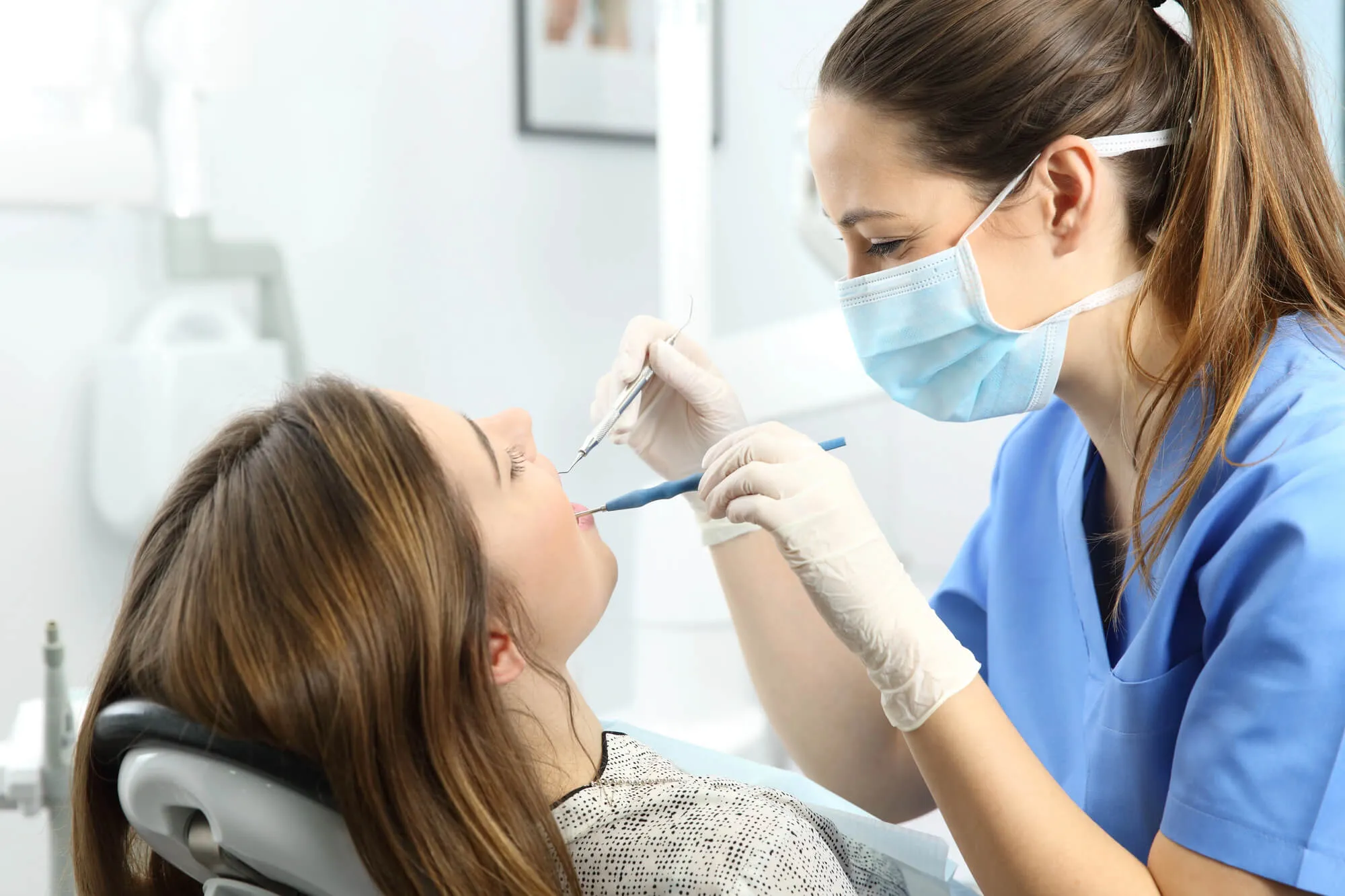
Routine dental visits allow dentists to monitor:
- Wear patterns
- Bite changes
- Gum health
- Signs of grinding
- Areas of erosion
Monitoring these changes over time helps create a clearer picture of what's happening beneath the surface.
Protecting Remaining Enamel
Even when some wear has already occurred, protecting the remaining enamel remains important.
Your dentist may recommend:
- Night guards for grinding
- Adjustments to oral hygiene habits
- Dietary modifications
- Treatment for underlying medical conditions
- Restorative options when needed
The goal is often to reduce ongoing wear while preserving natural tooth structure whenever possible.
Can Worn Teeth Be Restored?
The answer depends on the amount of wear and the underlying cause.
Restoring Function and Comfort
For patients with moderate or advanced wear, restorative dentistry may help improve comfort and function.
Treatment options vary depending on the situation and may include:
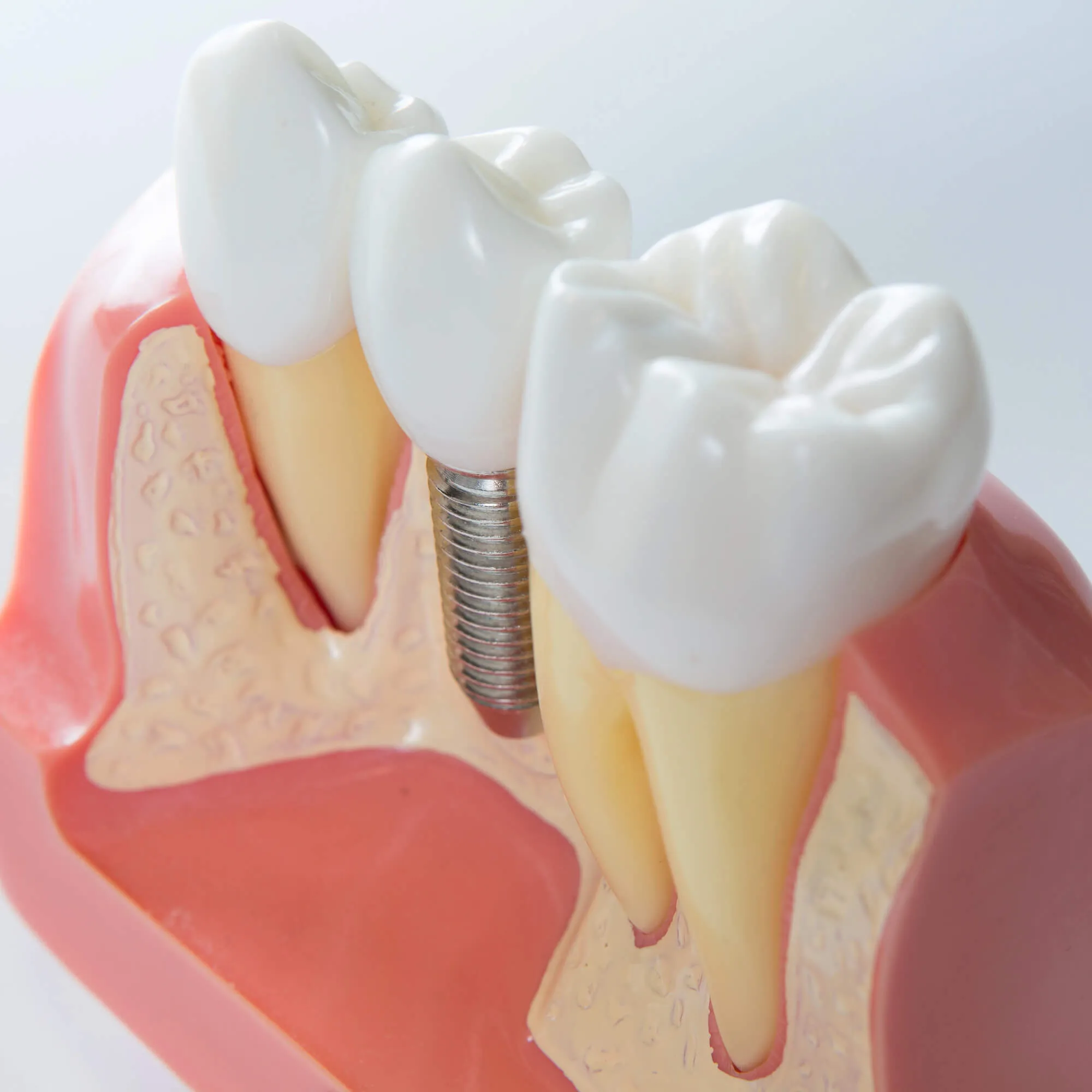
- Dental implants for missing teeth
- Dentures
- Other restorative solutions are designed to improve bite function
Addressing both the wear itself and its cause is often important for long-term success.
Prevention Remains Important
Even after restorative treatment, maintaining healthy habits remains essential. Protecting restorations and natural teeth from further wear helps support long-term oral health.
Protect Your Smile with a Dentist in Wilton Manors, FL
At 1500 Dental, we believe healthy smiles are built through prevention, education, and personalized care. Tooth wear can happen gradually, making it easy to overlook until symptoms become difficult to ignore. Our team takes the time to evaluate changes in your teeth, identify contributing factors, and recommend care that supports both comfort and long-term function.
If you've noticed sensitivity, flattening, chipping, or other changes in your teeth, schedule a visit with a dentist in Wilton Manors, FL at 1500 Dental. Together, we can help protect your smile and keep it functioning comfortably for years to come.