Signs Your Bite Might Be Off—and Why It Matters
A jaw that clicks. A tooth that hits before the others. Headaches with no clear cause. These small clues often point to one thing: your bite. Dentists who take Medicare in Fort Lauderdale can tell you this is one of the most common things patients ask about, and for good reason.
A bite even slightly off can shift how your teeth wear, how your jaw feels by day's end, and how comfortable eating is. Here's what a quick orthodontic evaluation can reveal.
How to Tell If Your Bite Needs Attention
Signs Your Bite Might Be Off
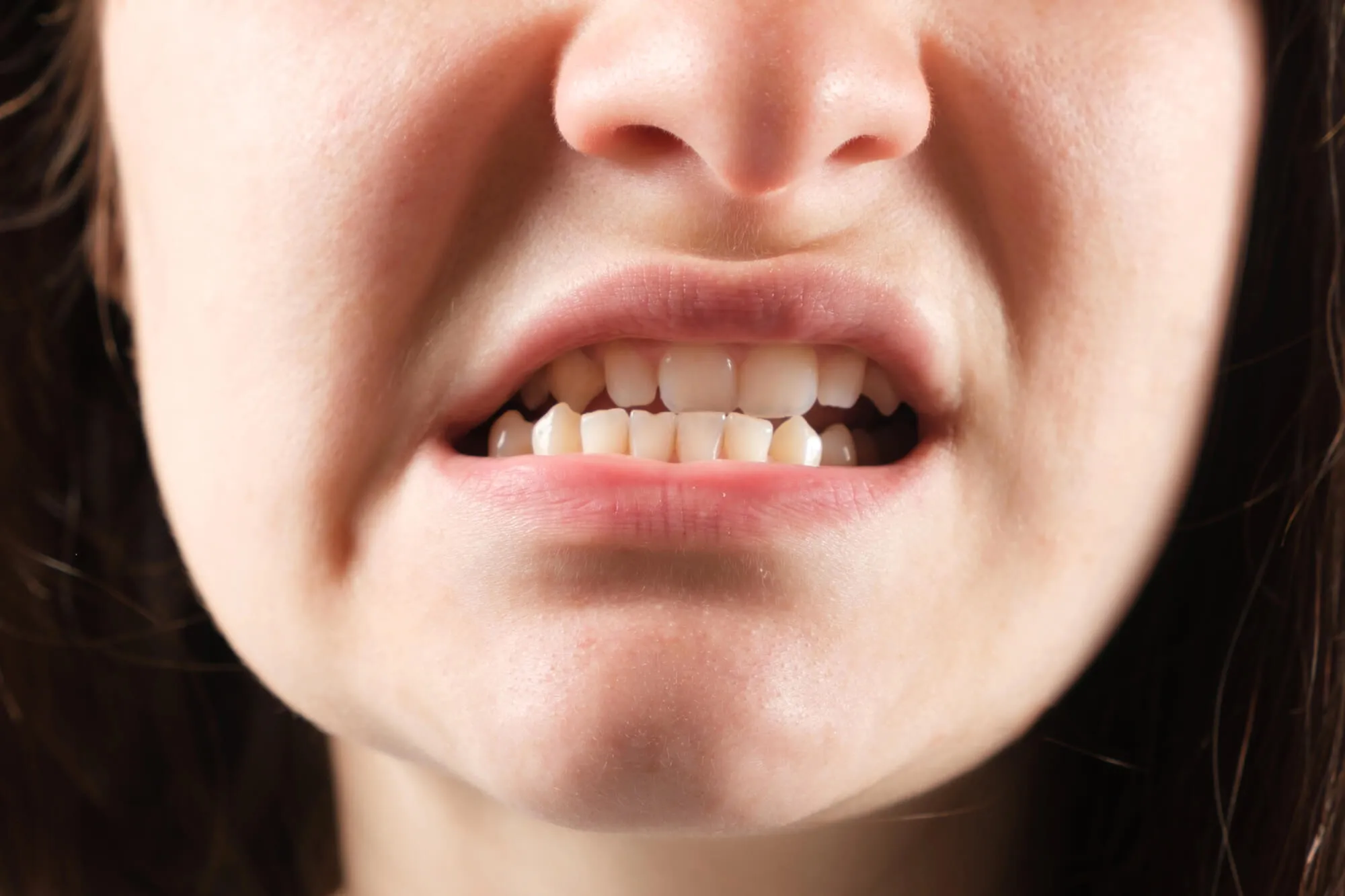
A bite that's out of balance rarely shows up as one dramatic symptom. It's usually a handful of small ones that add up:
- Your teeth don't line up the way they used to when your jaw is relaxed
- One side of your jaw feels tighter or sorer than the other
- Certain teeth show more wear, flattening, or chipping than the rest
- Chewing feels lopsided or takes more effort on one side
- Your jaw clicks, pops, or aches by the end of the day
- Headaches cluster near your temples or behind your eyes
- A retainer that used to fit now feels tight or won't seat properly
Notice two or three of these together, and it's worth a closer look.
What Causes an Uneven Bite
Some bites start even and drift over time. Losing a tooth is one of the biggest triggers — the teeth beside the gap shift toward it, and the bite above or below follows. Wear plays a part too: years of chewing, grinding, or clenching can flatten certain teeth faster than others, tilting the whole bite out of balance.
Genetics matters as well. Jaw size and shape are inherited, so a jaw that's slightly too small or too large for the teeth it holds creates crowding or gaps from the start. Childhood habits — thumb-sucking, prolonged pacifier use, or breathing through the mouth instead of the nose — can also nudge teeth out of position while the jaw is still developing. A previous case of crooked teeth in childhood often carries forward into an adult bite, too.
Even a bite that was corrected once can drift again, since teeth naturally shift throughout life. That's part of why a retainer still matters long after braces come off.
Posture and daily habits play a role, too. Chewing mostly on one side, resting your jaw on your hand, or clenching during stressful moments can each nudge the bite slightly over months or years, even without one single dramatic cause.
Why a Misaligned Bite Matters for Your Smile
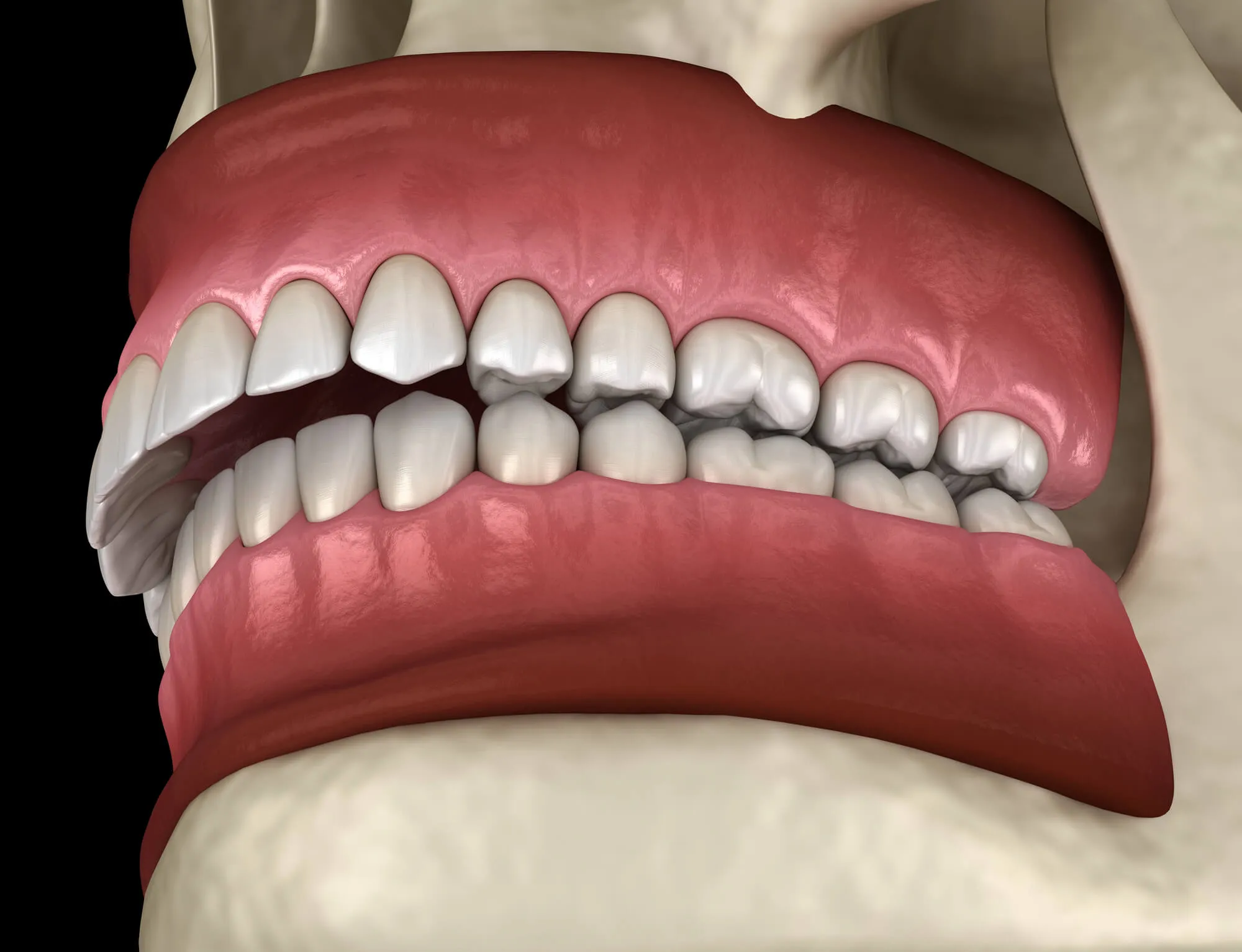
Dentists have a name for this: a misaligned bite, also called malocclusion. The effects tend to build slowly rather than announce themselves. Teeth that meet at odd angles wear faster and chip more easily, and the pattern rarely stays even — some teeth take on far more pressure than others.
The jaw muscles compensate for the imbalance, too, which can show up as soreness, tension near the temples, or a jaw that tires out mid-meal. Crowded or overlapped teeth are also tougher to clean well, so plaque collects in spots a toothbrush can't fully reach. Steady pressure in the wrong spots can stress the gum and bone supporting a tooth over time, which is part of why dentists like to catch a shifting bite early rather than watch it worsen.
None of these means treatment has to be dramatic. Options like traditional braces work by applying steady, gentle pressure that guides teeth into a more balanced position over months. Catching the pattern early usually means a shorter, simpler path to a bite that works the way it should.
What Bite Correction Usually Involves
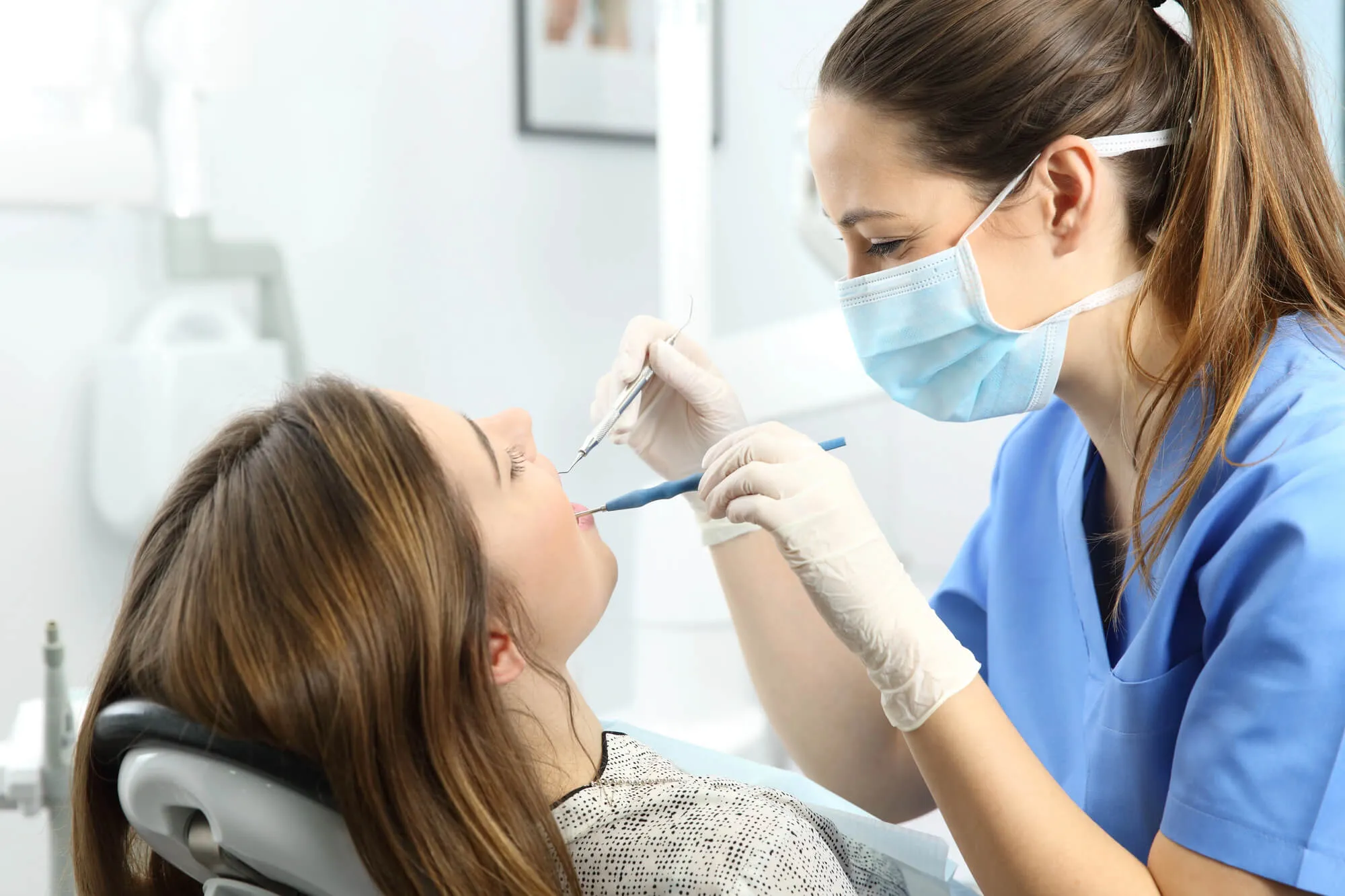
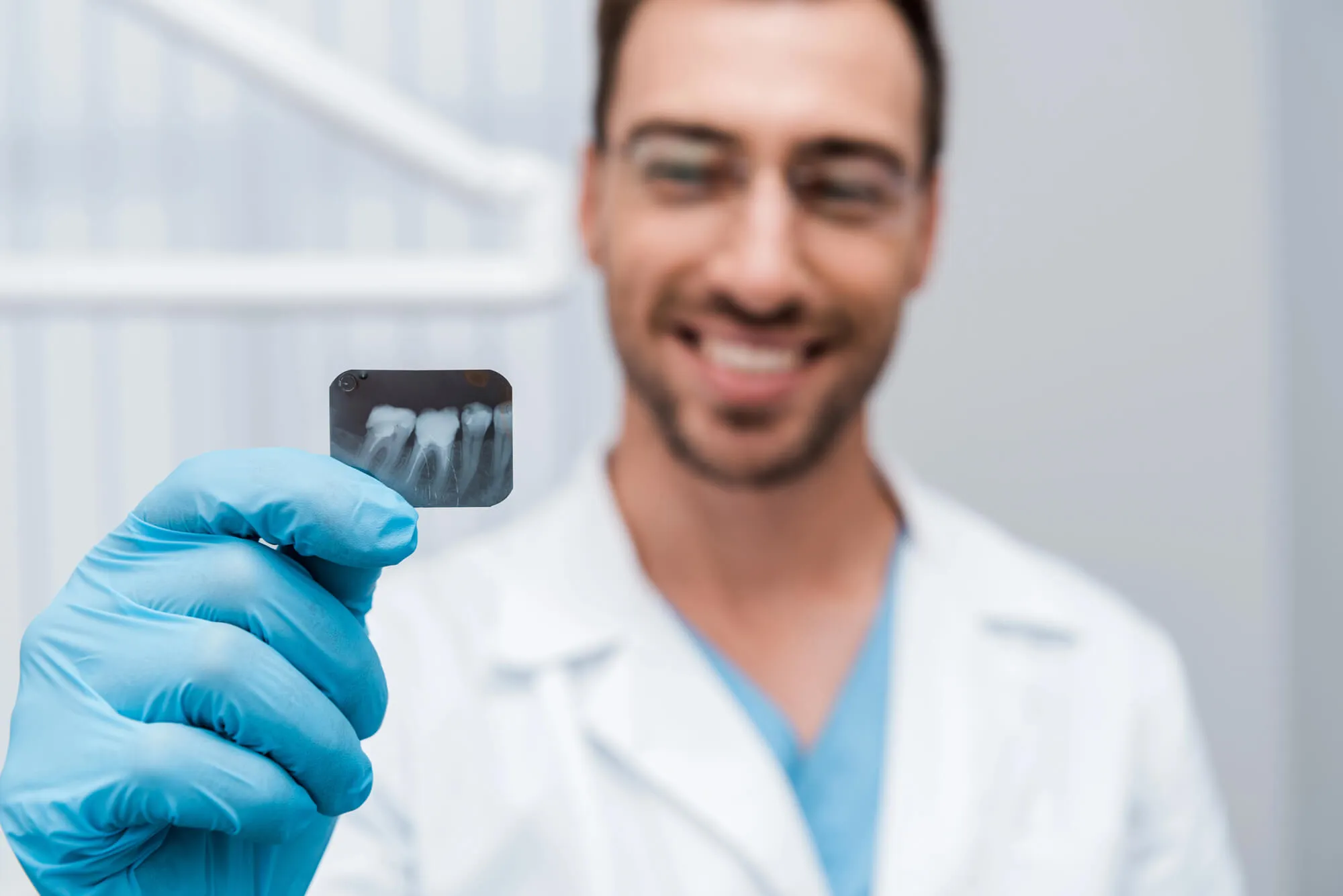
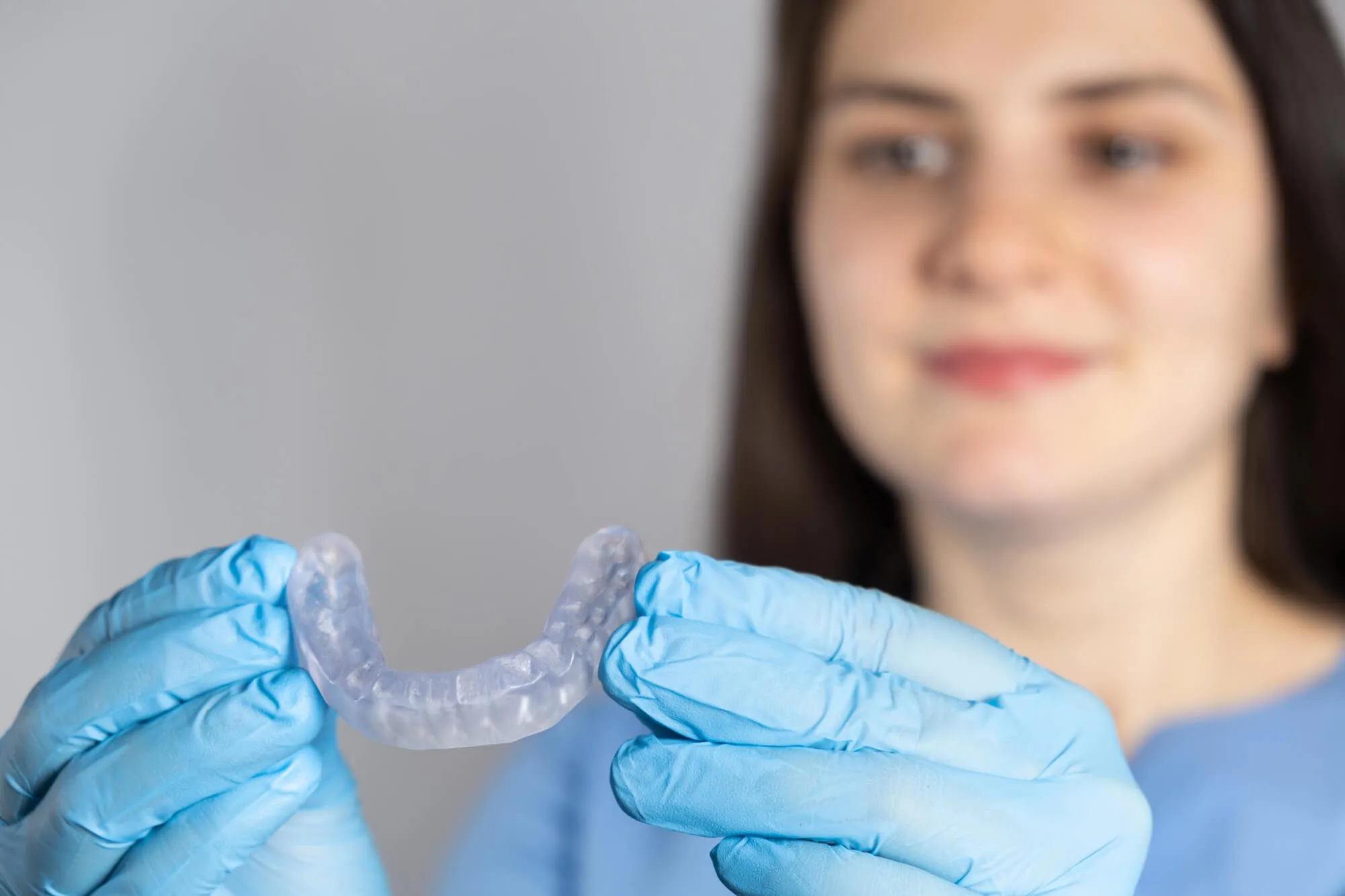
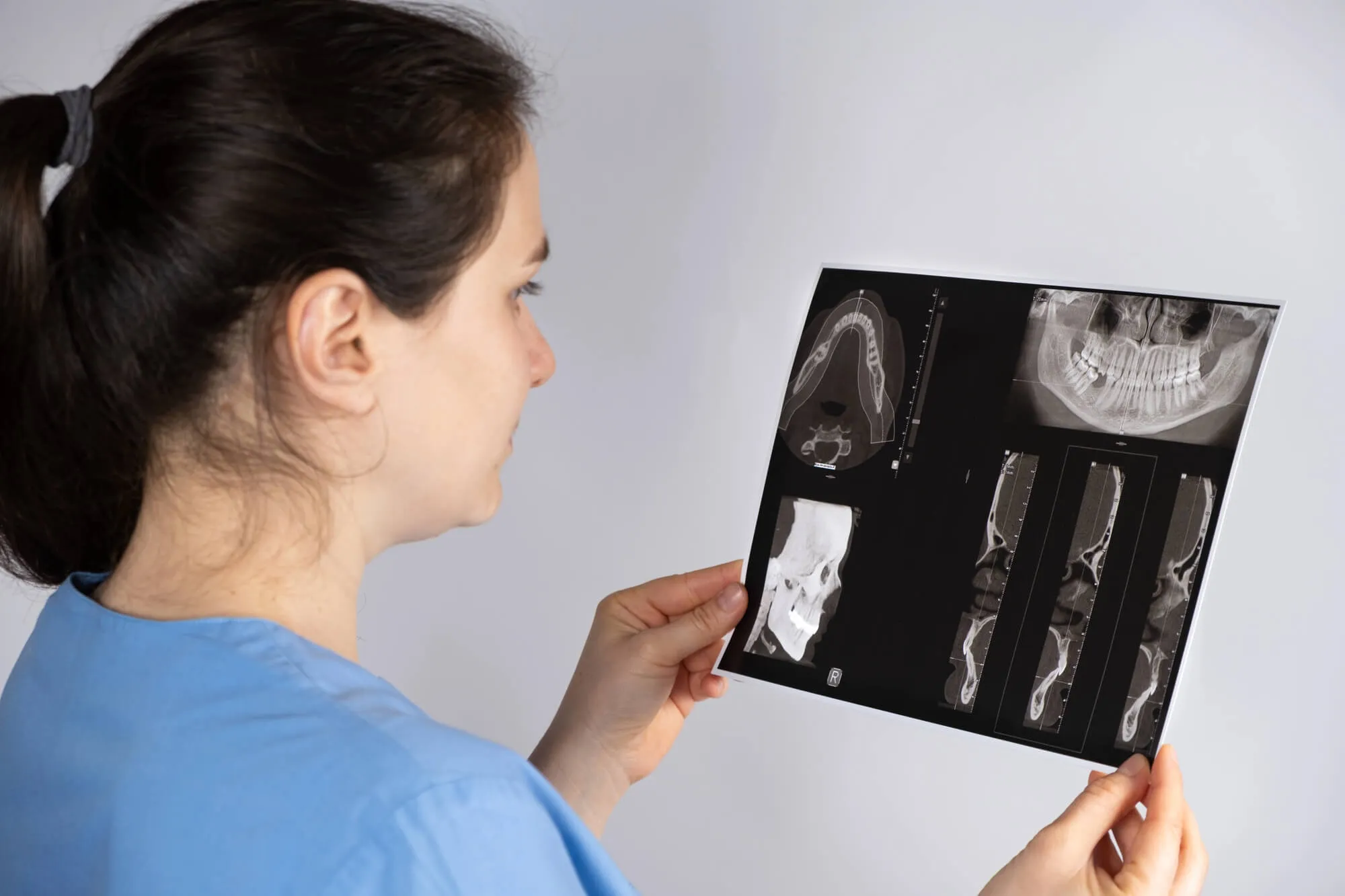
Most evaluations start with a look at how the teeth meet, how the jaw moves, and where the pressure lands unevenly, sometimes with X-rays to see what's happening below the gumline. From there, treatment generally falls into one of two categories: moving the teeth into better alignment or rebuilding the surfaces that have already worn down.
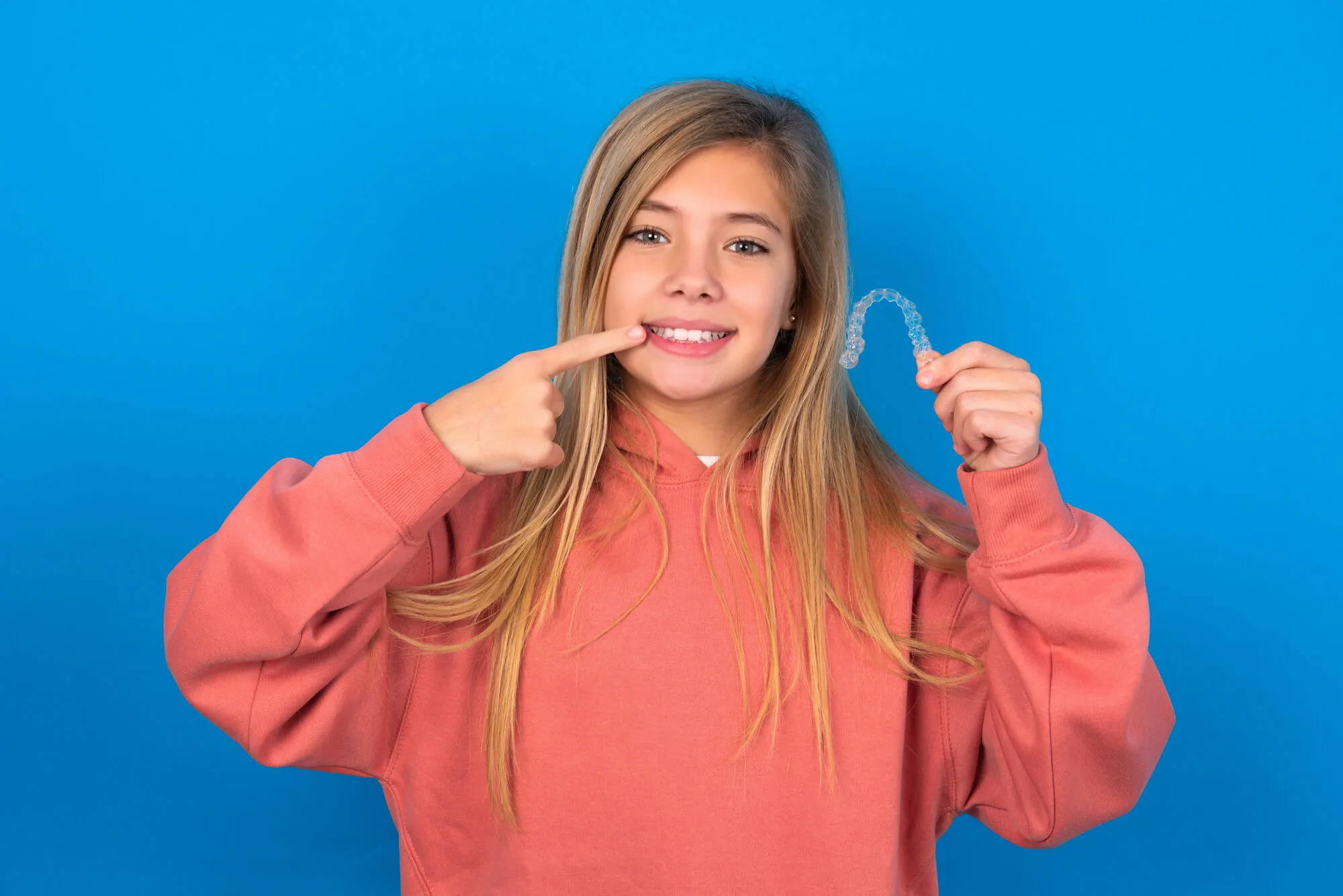
Mild shifting is often corrected with Invisalign® clear aligners, which move teeth gradually without metal brackets. More involved cases may need conventional braces or a combination of approaches, depending on how far the bite has drifted. Aligners are typically swapped for a new set every 1 to 2 weeks, while braces are adjusted every 4 to 6 weeks as the wires apply new pressure. Mild soreness for a day or two after each change is normal and usually fades on its own.
Worn or chipped teeth from years of uneven pressure can often be addressed through restorative dentistry while the bite itself is corrected.
For anyone weighing the orthodontic route, choosing the right orthodontist matters as much as the treatment itself, and it helps to sidestep common Invisalign mistakes early, since most delays trace back to habits formed in the first few weeks.
Frequently Asked Questions About Bite Alignment
How do I know if my bite is actually off, or if I'm just noticing normal jaw tension?
A single tense day is normal. A pattern — clicking, uneven wear, or soreness that keeps returning — is the signal worth mentioning at your next visit.
Can a misaligned bite fix itself over time?
No. Bites tend to shift further, not correct on their own, since the forces that caused the shift are usually still at play.
Does correcting a bite always mean braces?
Not always. Some cases need braces or clear aligners, while others are managed with a crown, filling, or a simple adjustment to a restoration that's sitting a bit high.
Will Medicare or my insurance help cover treatment?
Coverage varies by plan and by the treatment itself, so our team checks your benefits and walks you through the numbers before anything gets scheduled.
Get Personalized Care from Dentists Who Take Medicare in Fort Lauderdale
A bite that feels off deserves more than a guess, and it deserves a team that treats you like a person, not a chart number. That's the standard behind every plan we build, rooted in education, collaboration, and genuine care rather than a rushed appointment.
Our team takes the time to explain what's happening with your bite, walk through the realistic options, and build a plan around your goals and your budget. If any of the signs above sound familiar, schedule a visit and let's take a closer look together.
*Invisalign®, the Invisalign logo, and iTero®, among others, are trademarks and/ or service marks of Align Technology, Inc. or one of its subsidiaries or affiliated companies and may be registered in the U.S. and/or other countries.