Single Tooth, Multiple Teeth, or Full Arch: Which Type of Dental Implant Fits You?
Maybe you lost a molar years ago, and you're finally ready to fill the gap. Or maybe several teeth have been giving you trouble, and you're wondering whether a bigger fix makes more sense. If you're exploring dental implants in Fort Lauderdale, one of the first questions you'll face is which type of implant matches your smile.
The good news is that dental implant treatment isn't one-size-fits-all. Most implant treatments fall into one of three main approaches: single-tooth, multiple-teeth, and full-arch. The right fit depends on how many teeth you're missing and the strength of your jawbone, so here's a closer look at each option to help you walk into your consultation feeling prepared.

How Dental Implants Work
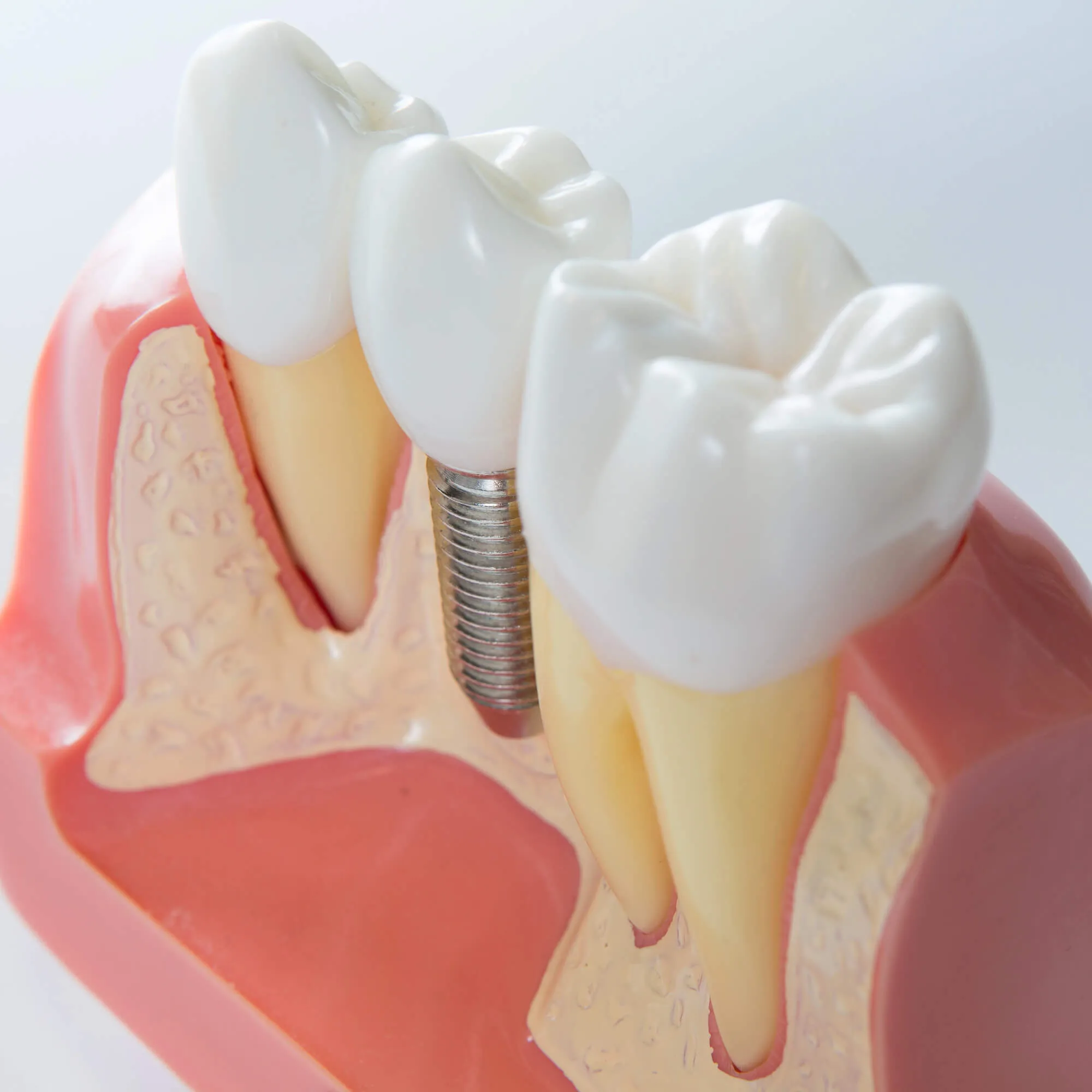
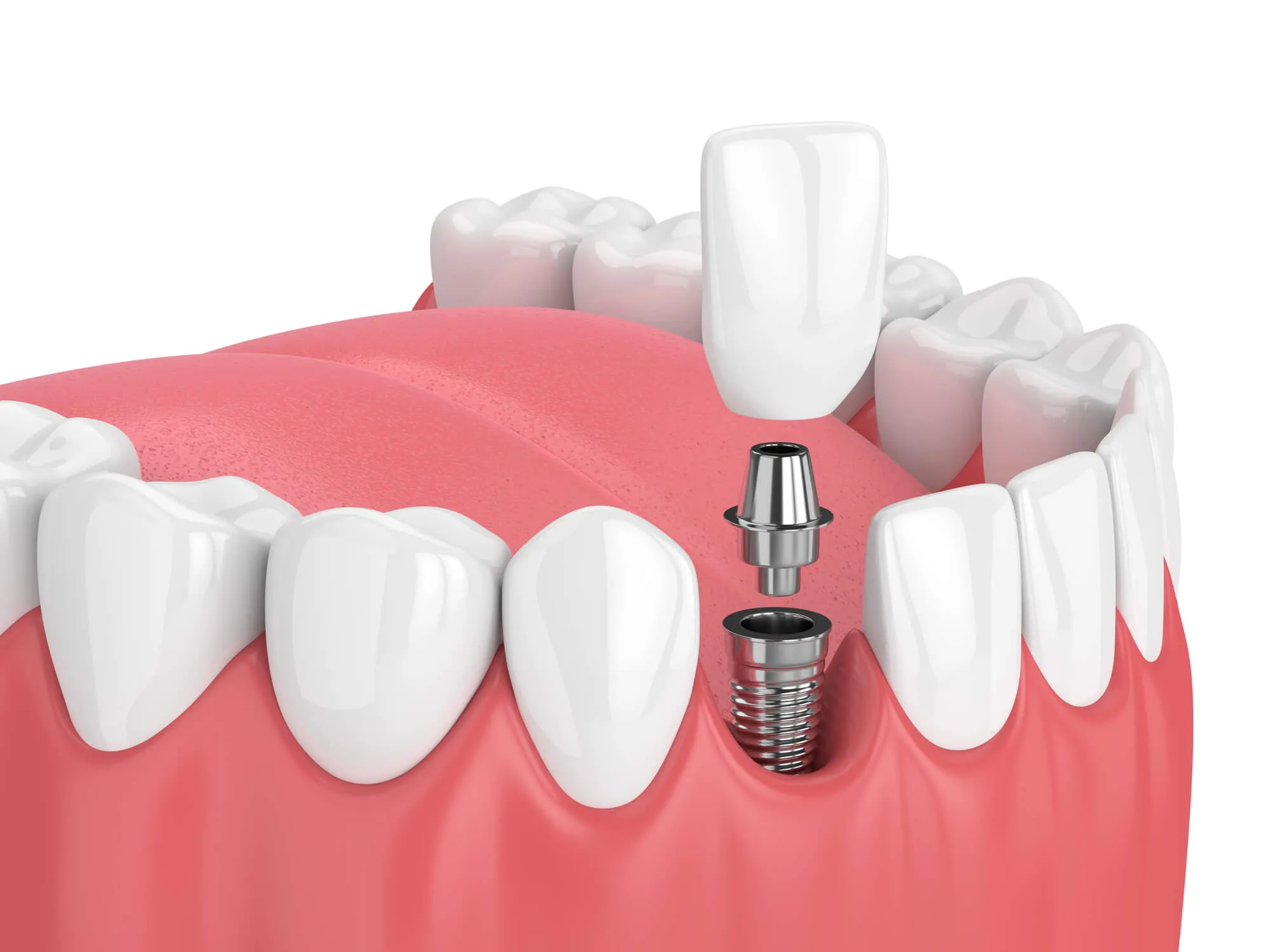
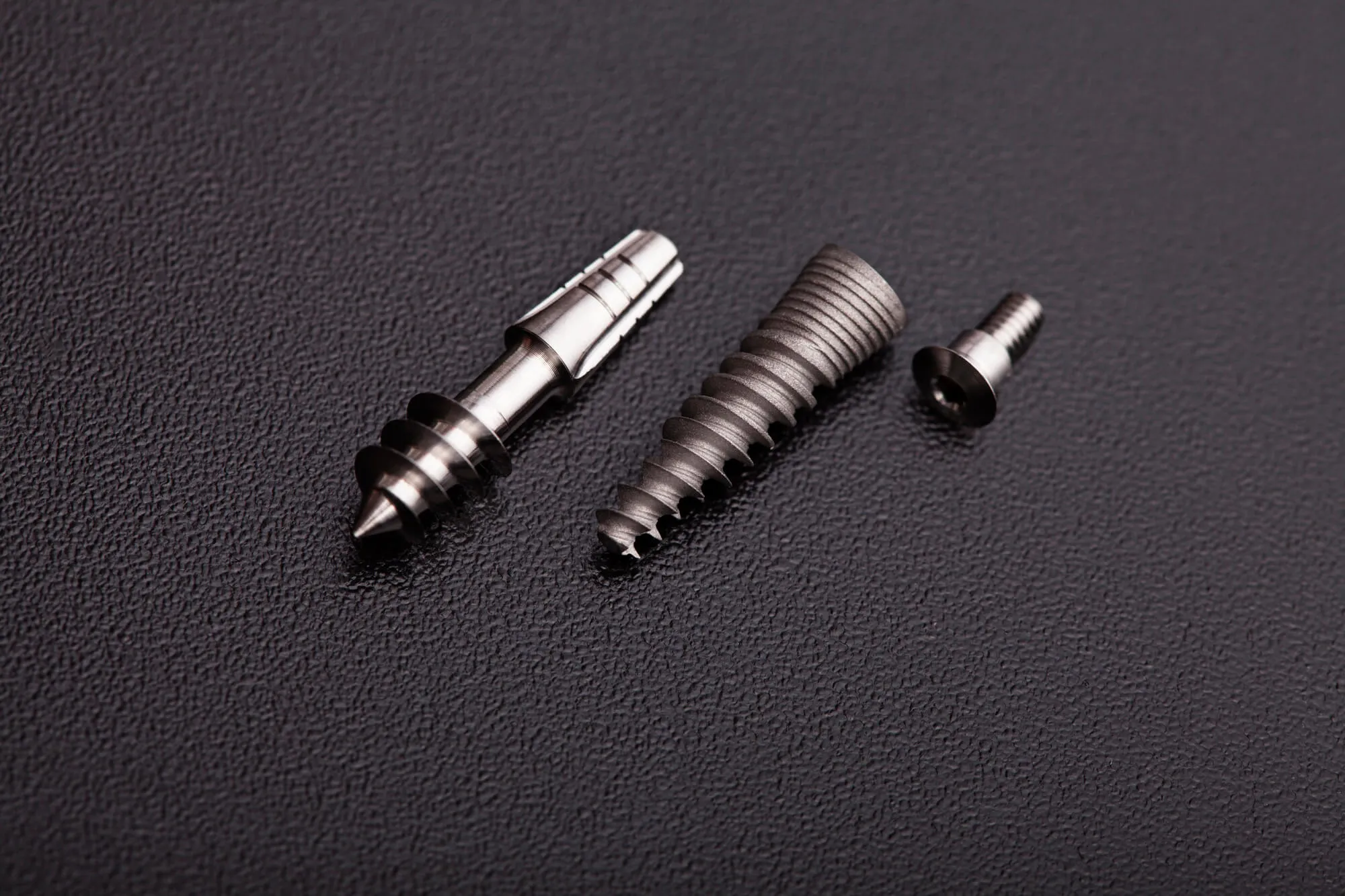
Before comparing options, it helps to understand what all implants have in common. According to the American College of Prosthodontists, dental implants are titanium posts placed in the jawbone where teeth are missing. As you heal, the bone bonds with the post, creating a stable foundation for replacement teeth.
That foundation is what sets implants apart from other tooth replacement options. Because they're anchored in the jaw, implants can support anything from a single crown to a bridge or a full set of teeth. The main difference between each type comes down to how many implants your dentist places and what attaches to them.
The Three Types of Dental Implants
Each of the three main types of dental implants works a little differently and suits a different situation. Here’s a closer look at how each one works and who it tends to fit best.
Single Tooth Implants
A single-tooth implant replaces a missing tooth with an implant post and a custom crown. It's a common choice when a tooth has been lost to injury, decay, or infection, but the surrounding teeth are still healthy.
One advantage is that a single implant stands on its own. Unlike a traditional bridge, it doesn't rely on neighboring teeth for support, so those teeth don't need to be reshaped. The finished porcelain or metal crown is designed to complement your natural teeth, so it blends in with your smile.
A single tooth implant may be a good fit if:
- You're missing one tooth
- The teeth on either side of the gap are healthy
- You want a replacement that looks and functions like a natural tooth
Multiple Teeth Implants
When two or more teeth are missing, especially side by side, you don't necessarily need an implant for every tooth. Instead, your dentist may place a few strategically positioned implants to support a bridge that spans the gap.
This approach can work well for those who want a fixed replacement without the removable feel of a partial denture. It also lets the implants handle chewing forces instead of placing that stress on your natural teeth. That stable support is a big part of why some restorations last longer than others.
Implants for multiple teeth may be a good fit if:
- You're missing several teeth in one area of your mouth
- You prefer a fixed option over a removable partial
- Your jawbone can support more than one implant
Full Arch Implants
A full arch restoration replaces an entire row of upper or lower teeth. Rather than placing an implant for each tooth, your dentist anchors a complete set of replacement teeth to a small number of implants, often four to six per arch.
Many patients consider full arch implants after years of wearing traditional complete dentures that slip, click, or make eating uncomfortable. Because the new teeth are secured to implants, they're designed to stay put while you talk, laugh, and chew. Full-arch treatment can also offer a fresh start for those dealing with extensive tooth loss or teeth that can't be saved.
Full arch implants may be a good fit if:
- You're missing most or all of your teeth in one arch
- Your current dentures feel loose or uncomfortable
- You want a more stable, long-term solution
What Helps Determine the Right Option for You
Choosing between these three types isn't something you have to figure out alone. During your consultation, your dental team will look at several factors before recommending a plan.
Number and Location of Missing Teeth
The most obvious factor is how many teeth you're replacing and where they are. A single gap calls for a very different plan than several missing teeth spread across your mouth or an entire arch that needs attention.
Jawbone Strength
Implants rely on healthy bone for support. After a tooth is lost, the jawbone in that area can gradually shrink, which may affect the type of implant that makes sense for you. That’s why dental bone grafts are commonly placed before implant surgery to rebuild lost bone in the jaw.
Gum Health and Overall Wellness
Healthy gums, consistent oral hygiene, and habits like avoiding tobacco all play a role in how well implants do over time. Certain medical conditions can make a difference, too. Many of these same factors also influence healing after implant placement, so it helps to address them early in the planning process.
Your Goals and Lifestyle
Some patients want a fixed solution that they never have to remove. Others are weighing comfort, appearance, and long-term maintenance. Sharing what matters most to you helps your dentist recommend a plan that fits your life, not just your mouth.
Frequently Asked Questions About Implant Types
Can I Switch From Dentures to Full Arch Implants?
In many cases, yes. Many patients who have worn dentures for years explore full-arch implants for added stability and comfort. Your dentist will check your jawbone and gum health to see whether you're a good candidate.
How Long Does Implant Treatment Take?
Timelines vary from patient to patient. Cleveland Clinic notes that the healing phase alone can take anywhere from three to nine months, and treatment plans that include a bone graft can extend that timeline.
Are Dental Implants a Long-Term Solution?
Implants are designed to be a durable, long-term way to replace missing teeth. With good daily care and regular dental visits, they can serve you well for many years.

Find the Right Fit for Dental Implants in Fort Lauderdale
There's no single "best" type of implant, only the one that best fits your needs. Whether you're replacing one tooth, several teeth, or a full arch, the first step is a personalized consultation. We'll evaluate your teeth, gums, and jawbone, then walk you through your options so you can make a confident decision.
At 1500 Dental, our in-house specialists, including prosthodontists and periodontists, work together to guide you through every stage of care with compassion and attention to detail. Ready to find out which implant option fits you? Contact us today to schedule your consultation. We look forward to helping you smile with confidence again.